
Going short is a big decision, and most women hesitate because they can’t picture how a pixie will behave on their own hair. Will it flop on fine strands, puff on thick ones, or make a round face look rounder? The good news is that there are elegant pixie cuts built for nearly every texture, face shape, and maintenance budget. I’ve collected 25 of them, from soft and romantic to sharp and architectural, along with what your stylist needs to know for each. Ready? Let’s explore all 25 of them.
Quick Answer: For fine hair, choose a tapered pixie (#7) or a bixie (#9). For thick hair, a layered pixie (#12) removes bulk. For curls, go with the curly pixie (#4) or coily tapered pixie (#21), and for round faces, the height-focused pixie (#18). If you want the lowest upkeep, the classic textured pixie (#1) forgives a trim that’s a week or two late.
Why Elegant Pixie Cuts Are Worth Your Time
A well-cut pixie does more than shorten your hair. It shows off your cheekbones, jawline, and neck, and it can make thin hair look denser because the density sits closer to the scalp. Most people notice how fast the morning routine shrinks, often from 25 minutes to under 10.
There’s a trade-off, though. Pixies need trims every 4 to 6 weeks to keep their shape, which is more often than a long cut. Budget for that before you commit, or choose a grow-out-friendly style like the bixie or long pixie.
Here’s the lesser-known part: hair texture matters more than face shape. A pixie that suits your face on paper can fall apart if it fights your cowlick or natural wave pattern. Stylists often ask you to bring photos and also to show how your hair dries naturally, and that habit is worth copying.
These cuts suit anyone ready for lower daily effort and a clean, confident silhouette. They work especially well for women dealing with heat, thinning, or a wardrobe of earrings and necklines that longer hair hides.
At a Glance
- Fine hair looks fuller with tapered sides and a textured crown.
- Curls and coils actually shine short, because shrinkage becomes an asset.
- Most pixies need a trim every 4-6 weeks, but a few tolerate 8.
- Styling takes 2-10 minutes with a pea-sized amount of paste or cream.
- Silver, platinum, copper, and espresso all look striking at pixie length.
Comparison Table: All 25 Elegant Pixie Cuts
| # | Cut | Best Face Shape | Best Hair Type | Trim Frequency | Styling Time |
| 1 | Classic Textured Pixie | Oval, heart | Straight, wavy | 5-6 weeks | 3 min |
| 2 | Soft Side-Swept Pixie | Round, square | Fine, medium | 5 weeks | 4 min |
| 3 | Pixie with Long Wispy Bangs | Heart, long | Straight | 4-5 weeks | 5 min |
| 4 | Curly Pixie | Oval, round | Curly | 6-8 weeks | 5 min |
| 5 | Silver Gray Pixie | Any | Any | 5-6 weeks | 3 min |
| 6 | Undercut Pixie | Oval, diamond | Thick | 3-4 weeks | 5 min |
| 7 | Tapered Pixie | Oval, long | Fine | 4-5 weeks | 3 min |
| 8 | Asymmetrical Pixie | Round, oval | Straight | 4 weeks | 6 min |
| 9 | Bixie | Square, oval | Fine to medium | 6-8 weeks | 5 min |
| 10 | Blunt Micro Fringe Pixie | Oval, long | Straight, thick | 3-4 weeks | 4 min |
| 11 | Feathered Pixie | Oval, heart | Fine | 5 weeks | 4 min |
| 12 | Layered Pixie | Round, square | Thick | 5-6 weeks | 5 min |
| 13 | Platinum Blonde Pixie | Oval, heart | Fine to medium | 4 weeks | 4 min |
| 14 | Wavy Pixie | Oval, square | Wavy | 6 weeks | 4 min |
| 15 | French Crop Pixie | Oval, diamond | Straight, wavy | 4-5 weeks | 3 min |
| 16 | Copper Highlight Pixie | Any | Any | 5 weeks | 4 min |
| 17 | Slicked-Back Pixie | Oval, square | Straight, thick | 4-5 weeks | 4 min |
| 18 | Round Face Pixie with Height | Round | Medium | 4-5 weeks | 6 min |
| 19 | Pixie for Over 50 | Any | Fine, silver | 5-6 weeks | 3 min |
| 20 | Long Pixie | Oval, long | Medium, wavy | 7-8 weeks | 5 min |
| 21 | Coily Tapered Pixie | Oval, round | 4C coils | 4-5 weeks | 3 min |
| 22 | Balayage Pixie | Oval, heart | Medium | 6 weeks | 4 min |
| 23 | Choppy Pixie | Oval, diamond | Medium, thick | 5 weeks | 4 min |
| 24 | Pixie with Curtain Bangs | Long, oval | Straight, wavy | 5-6 weeks | 5 min |
| 25 | Espresso Glossy Pixie | Oval, heart | Straight | 5 weeks | 3 min |
1. Classic Textured Pixie
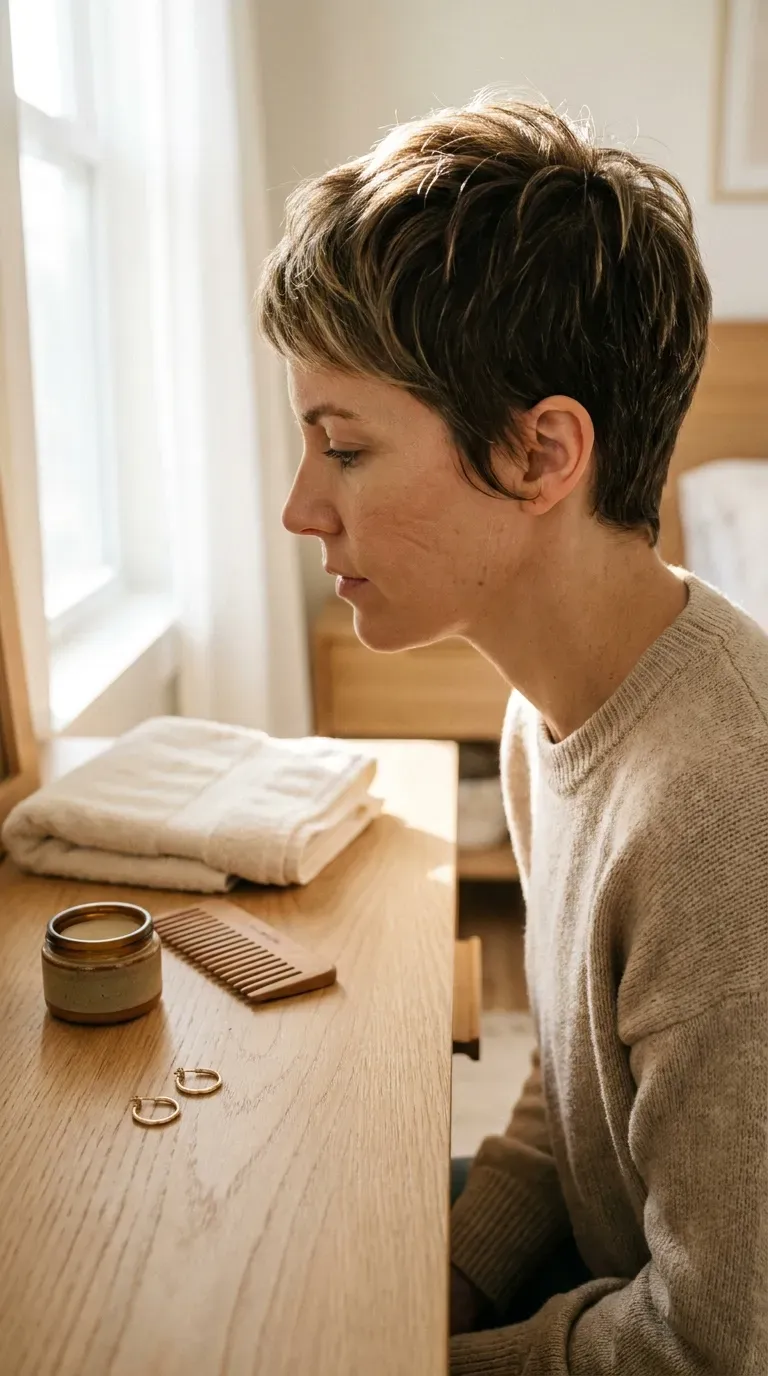
The classic textured pixie is the reference point for every other cut here: short sides, a longer top, and choppy texture that hides a cowlick. It suits straight and slightly wavy hair best.
Ask your stylist to point-cut the top at about 2 to 3 inches and keep the sides around 1 inch. Work a pea-sized amount of matte paste through dry hair with your fingertips, pushing forward and up. Too much product is the mistake I see most often, since it turns texture into grease by lunchtime.
Pro Tip: Apply paste to the ends only, not the roots. Roots need to stay clean and lifted, and this keeps the crown from going flat by afternoon.
Browse more short haircut ideas once you’ve picked your base cut, or read the dermatologists’ hair and scalp care basics before your first trim. Start here if you want a cut that never feels fussy.
2. Soft Side-Swept Pixie

This pixie sweeps a longer fringe across the forehead, softening angles. It’s a smart pick for round and square faces because the diagonal line breaks up width.
Keep the fringe about 3 inches at its longest and the sides tapered. Blow-dry it toward the opposite side first, then flip it back to create natural lift. Fine hair benefits from a light volumizing mousse at the roots, roughly a golf-ball-sized dollop worked in while damp.
Some people find side fringes annoying in humid weather, since they curl and separate. If that’s you, a light anti-frizz serum helps.
- Works best: Fine to medium straight hair
- Avoid if: You have a strong cowlick at the front hairline
Pair it with the guide to face shape and haircut matching, and see Allure’s hair section for current styling trends. It’s the gentlest way into short hair.
3. Pixie with Long Wispy Bangs
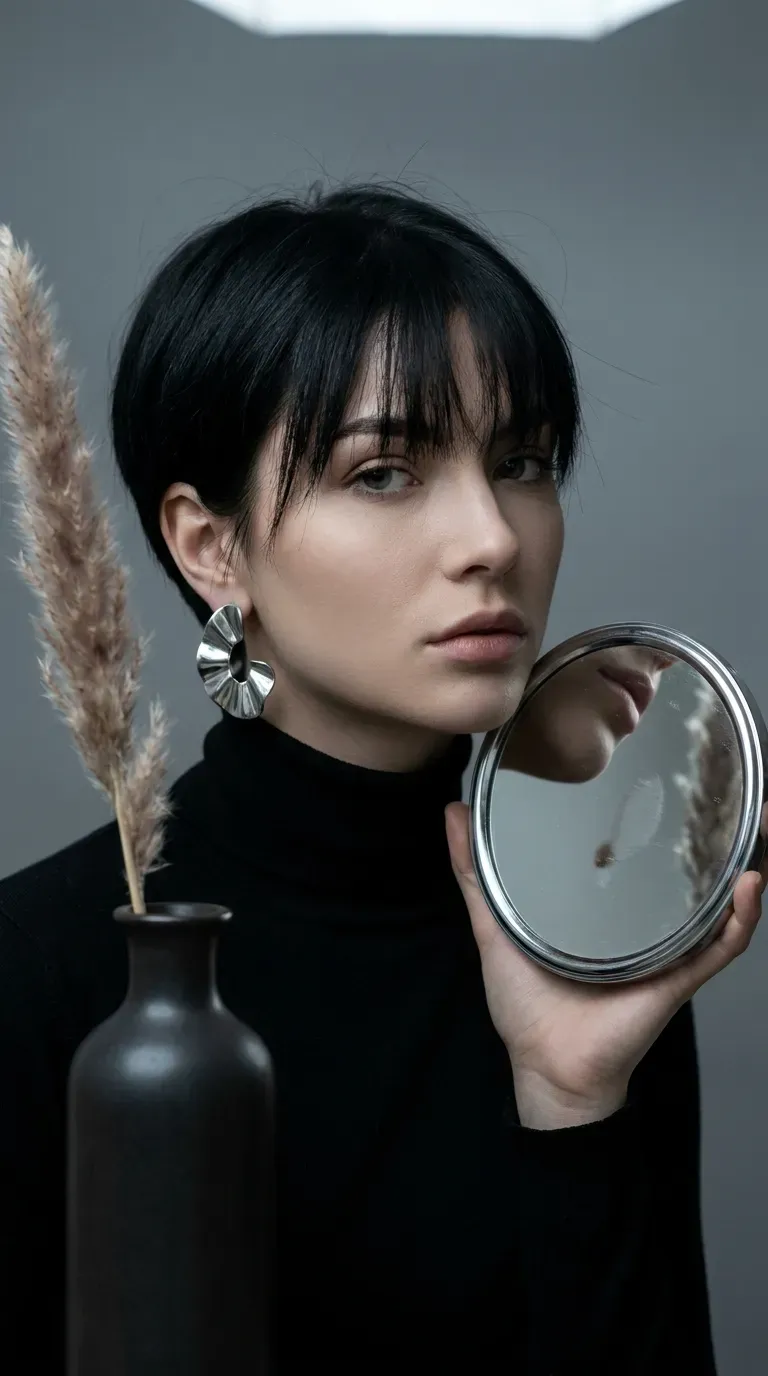
Wispy bangs add softness to an otherwise crisp cut, and they frame the eyes beautifully. This style flatters heart-shaped and long faces, where a fringe balances the forehead and chin.
Ask for bangs that are feathered, not blunt, and cut about 3 to 4 inches long so they can be pushed aside. Style them with a small round brush while blow-drying, curling slightly under. A tiny amount of dry shampoo at the roots stops the bangs from separating.
Pro Tip: Wash your bangs separately in the sink between full washes. Fringe oil builds up in about two days, and this keeps it fresh without stripping the rest of your hair.
Learn more about styling bangs at home, and check Byrdie’s hair coverage for product picks. Expect trims every 4 weeks to keep the fringe at eye level.
4. Curly Pixie

Curly hair often looks its best short, because the weight of length stops pulling curls straight. The cut concentrates volume and shows off definition.
Have the curls cut dry, one section at a time, so the stylist can see how each spring behaves. Keep the top 3 to 4 inches and taper the nape. Apply curl cream to soaking wet hair, scrunch upward, and diffuse on low heat for about 10 minutes. Skip the brush entirely, since it breaks up curl clumps.
Pro Tip: Sleep on a satin pillowcase or wrap your head in a satin scarf. Cotton absorbs moisture and roughs up the cuticle, which is why curls look flat by morning.
Try our curly hair care routine alongside the Good Housekeeping hair guides. Trim every 6 to 8 weeks to keep the shape rounded.
5. Silver Gray Pixie
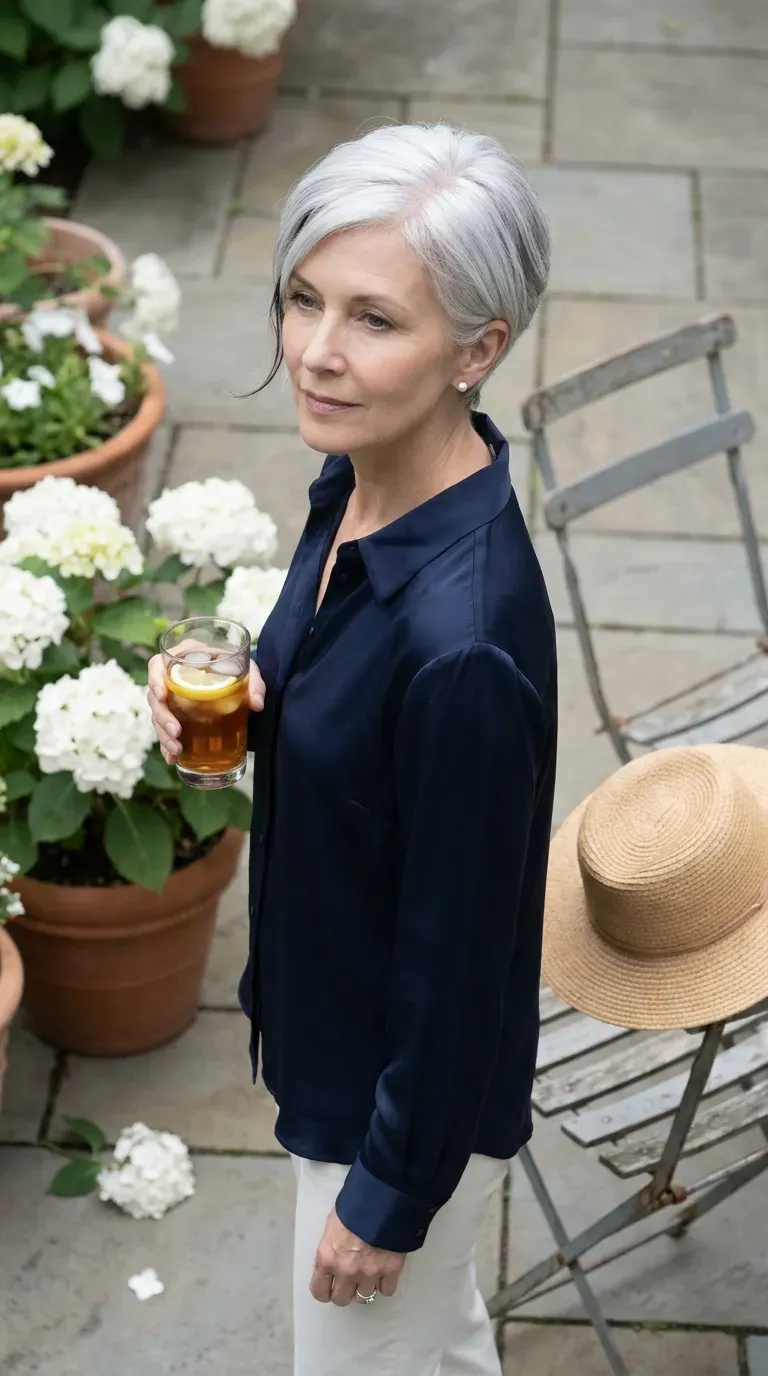
Silver hair and a pixie cut are a natural match. Short length makes gray look intentional and polished, and it avoids the dull, wiry look long gray hair can take on.
Use a purple or blue-violet shampoo once a week, leaving it on for 2 to 3 minutes, to cancel yellow tones. Coarse gray hair often needs a smoothing cream, since gray strands have less natural oil. Ask for a slightly longer top, around 2.5 inches, to add movement.
Pro Tip: Switch to a cooler, brighter makeup palette. Silver hair can drain warm foundation, so add a touch of blush for balance.
See our take on going gray gracefully, and read Harper’s Bazaar hair features for inspiration. Trims every 5 to 6 weeks keep silver looking crisp.
6. Undercut Pixie with Shaved Nape
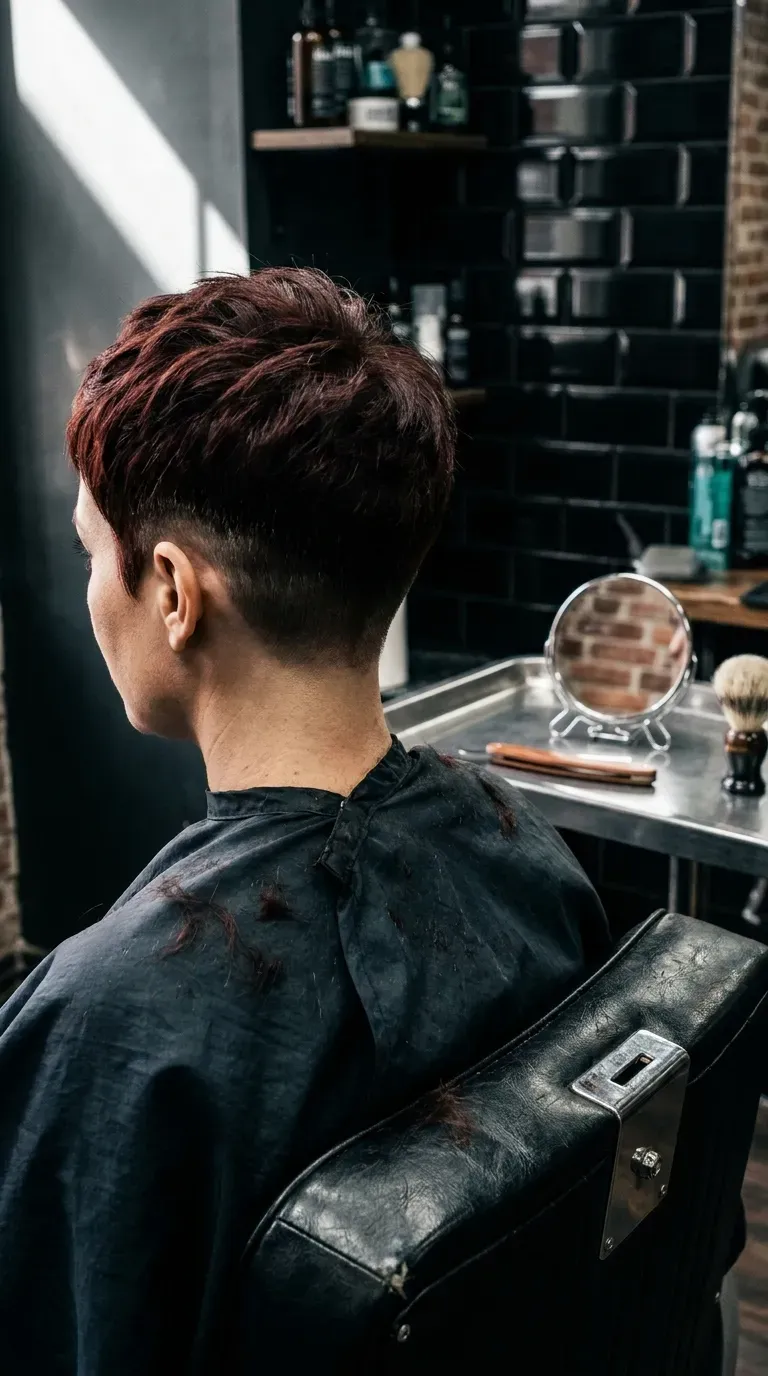
An undercut pixie keeps length on top and clips the sides or nape very short. It’s a smart way to remove bulk from thick hair while keeping styling options.
Ask for a #2 or #3 guard on the sides, or a scissors-over-comb finish for a softer edge. The top can stay 3 inches, brushed forward or swept back. Because the nape grows in visibly, plan maintenance every 3 to 4 weeks.
- Best for: Thick, straight, or wavy hair
- Skip if: You need to hide the back of your neck for work
- Bonus: Shaved designs can be hidden by longer top hair
Read our edgy haircut guide and the AAD’s advice on scalp care for sensitive skin. This cut takes the most upkeep here, but it’s also the boldest.
7. Tapered Pixie for Fine Hair
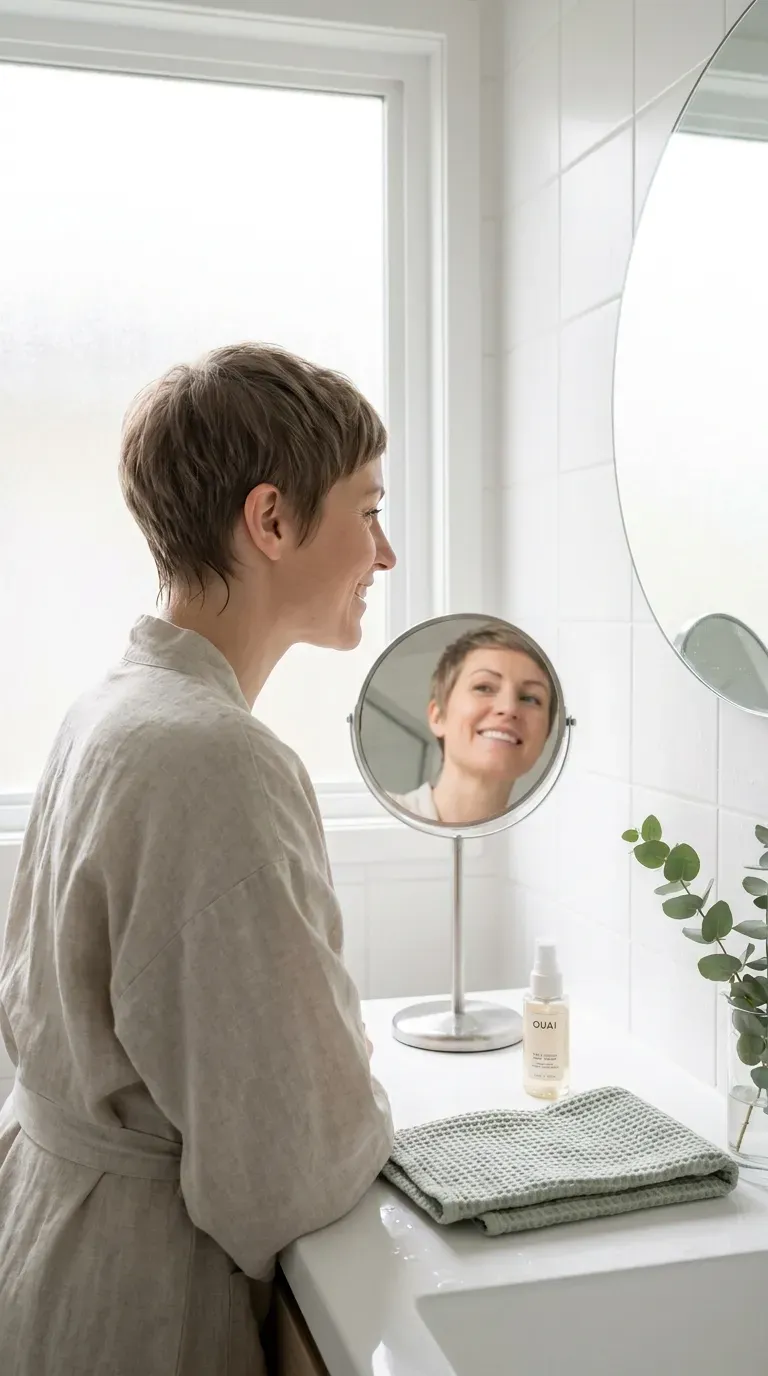
Fine hair struggles under weight, and a tapered pixie removes it. Gradually shorter sides and nape push density toward the crown, which reads as fullness.
Ask for soft, invisible layering on top instead of heavy thinning. Thinning shears often leave fine hair looking see-through. Apply a light root-lifting spray to damp hair and blow-dry with your head tilted forward for 2 minutes. Finish with a texturizing powder, tapping just a little at the crown.
Pro Tip: Avoid heavy oils and butters. They coat fine strands and flatten them within an hour, so look for water-based volumizing formulas.
Compare with our hairstyles for thin hair and the Allure hair tips. Book trims every 4 to 5 weeks, since fine hair loses shape quickly.
8. Asymmetrical Pixie

An asymmetrical pixie is cut with one side deliberately longer, creating a diagonal line that draws attention to the eyes and cheekbones. It adds interest without demanding extra length overall.
Keep the short side around 0.5 to 1 inch and the long side about 3 inches. This cut is very sensitive to placement, so bring a photo showing which side goes long. Part it where your hair naturally falls, then set it with a light flexible-hold spray.
Once the shape is set, it takes barely 5 minutes daily. However, the contrast disappears fast as the short side grows out, so expect a trim every 4 weeks.
Explore asymmetrical hair inspiration and Byrdie’s style coverage. It’s a strong choice if you want drama that still feels wearable.
9. The Bixie (Bob-Pixie Hybrid)

The bixie sits between a bob and a pixie, with short, layered sides and a slightly longer nape that grazes the neck. It’s a gentle option if you’re nervous about going all the way short.
Ask for layers around 2 to 4 inches throughout, with a wispy fringe optional. The extra length gives you room to tuck hair behind your ears or push it back. Use a small amount of sea salt spray on damp hair, then air-dry or diffuse for a relaxed finish.
Pro Tip: Cut a bixie on dry hair when possible. Stylists can then see where layers naturally fall, so the shape moves instead of sitting stiffly.
Compare bixies with bob haircuts for every face and the Good Housekeeping short hair ideas. It grows out gracefully, so trims every 6 to 8 weeks are enough.
10. Pixie with Blunt Micro Fringe
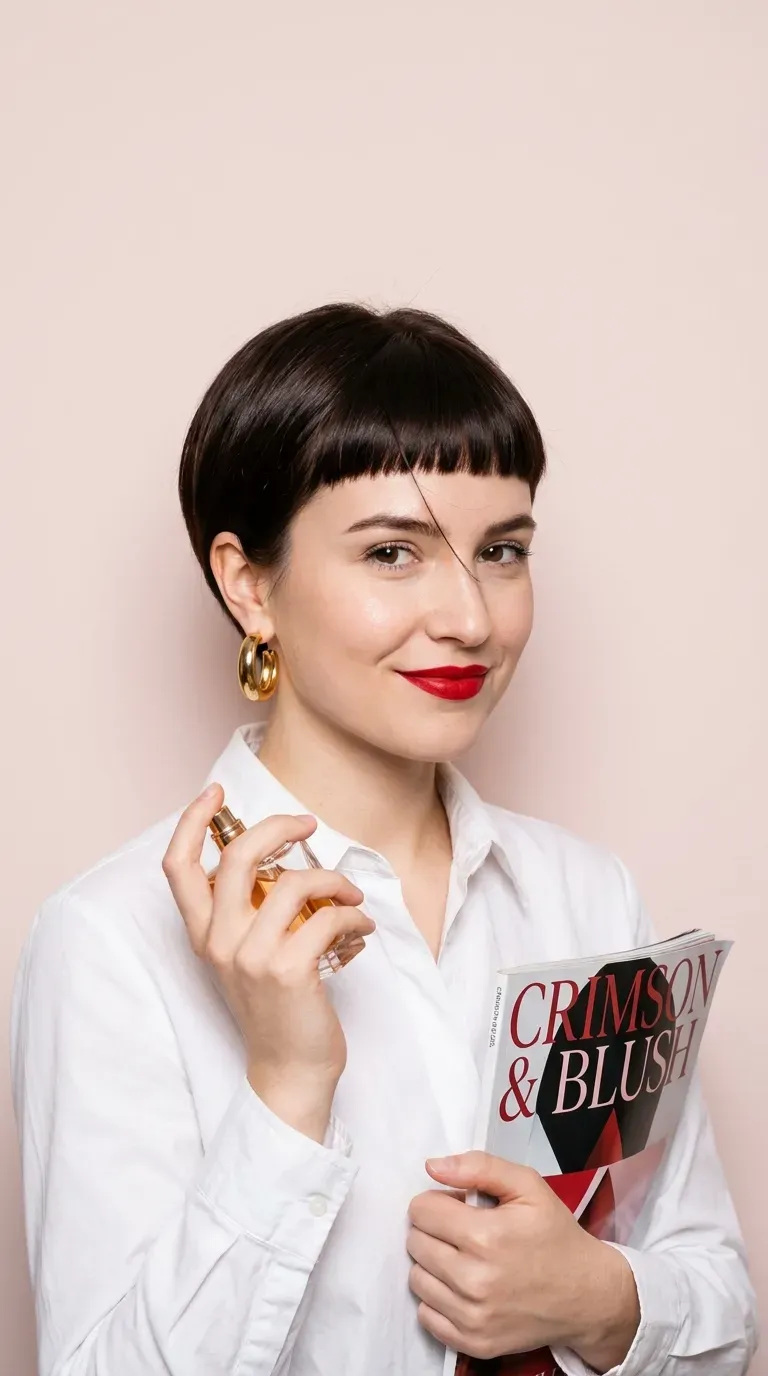
A micro fringe is a short, blunt bang cut about an inch above the eyebrows. Paired with a pixie, it produces a graphic, fashion-editor look that draws all attention to the eyes.
This works best on straight, sturdy hair and long or oval faces. Very curly or wavy hair may spring up higher than intended, so consider straightening your test bang before committing. Ask your stylist to cut it dry, and style with a flat iron for 10 seconds if needed.
- Works best: Straight, thick hair with no strong cowlick
- Avoid if: You have a low hairline or dislike frequent trims
- Upkeep: Trim every 3 to 4 weeks, or the line looks messy
Read how to choose bangs and browse Harper’s Bazaar beauty reports. It’s a commitment, but the effect is unmistakable.
11. Feathered Pixie
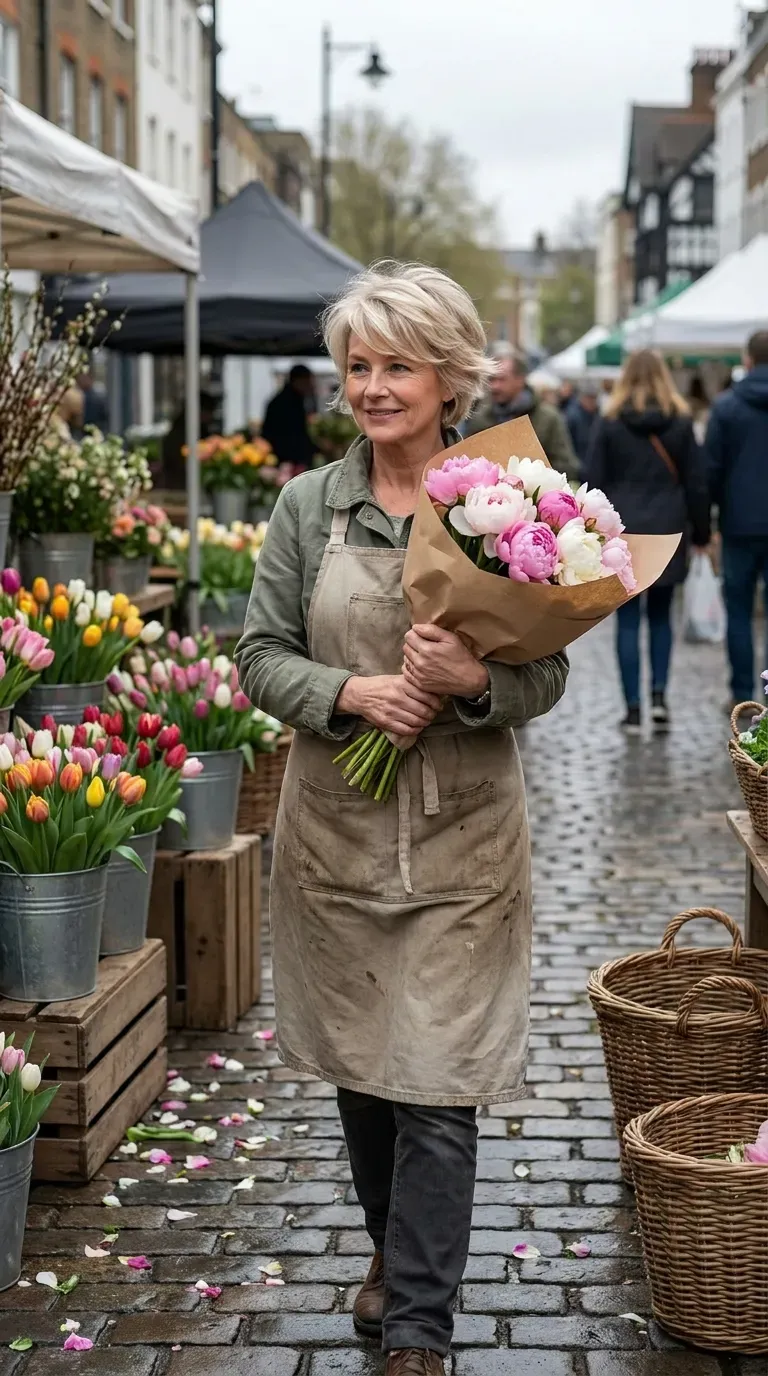
Feathered layers create a wispy, movement-rich finish that looks romantic rather than severe. It’s a lovely fit for fine to medium hair, where soft layering builds gentle volume.
Ask for razor or point cutting that graduates lengths from about 1 inch at the sides to 3 inches on top. Blow-dry with a small paddle brush, lifting at the roots. A flexible hairspray, applied from about 10 inches away, holds the wisps without stiffness.
The catch is humidity: feathered ends can frizz or clump in damp weather. In practice, a drop of lightweight smoothing oil on the ends solves most of it.
See our soft hairstyles for fine hair and Allure’s product guides. This cut ages beautifully and suits almost any occasion.
12. Layered Pixie for Thick Hair

Thick hair tends to puff into a triangle at pixie length unless the bulk is managed. Internal layering removes weight while keeping the outer shape sleek.
Ask your stylist to use point-cutting and slide-cutting, not just thinning shears. Keep the top 3 inches and the sides tapered. A smoothing cream, roughly a nickel-sized amount, tames the surface without flattening the layers.
Pro Tip: Blow-dry against the growth direction first, then with it. This resets stubborn thick sections and reduces drying time by a few minutes.
Explore managing thick hair and the AAD scalp and hair care guide. Trim every 5 to 6 weeks before the weight returns.
13. Platinum Blonde Pixie

Platinum is striking on short hair, partly because you’re bleaching less overall. That means less total damage and a faster fix when roots appear.
Expect to lighten brunette hair through 2 to 3 sessions, usually spaced 4 to 8 weeks apart, to protect the strands. Use a bond-repair treatment weekly and a purple shampoo every second wash. Root touch-ups are needed about every 4 weeks.
There are real limitations here. Very dark or previously box-dyed hair may not reach true platinum without breakage, and a stylist should assess your hair first.
Read our bleaching and toning guide and Byrdie’s color advice. Be honest about upkeep, and the result is spectacular.
14. Wavy Pixie

Natural waves give a pixie effortless movement, and the cut can be shaped to enhance your existing pattern rather than fight it.
Ask for slightly longer lengths, around 3 to 4 inches on top, since waves shrink as they dry. Apply a light mousse to damp hair, scrunch, and air-dry or use a diffuser on low. Avoid raking through the waves with a brush once dry.
Pro Tip: Try the “plopping” method: wrap wet hair in a cotton t-shirt for 10 to 15 minutes. It removes water without roughing the cuticle, so waves clump instead of frizzing.
Discover more wavy hair styling ideas and the Good Housekeeping beauty guides. Trim every 6 weeks to maintain the shape.
15. French Crop Pixie

The French crop is short and slightly boyish, with a cropped fringe and clean sides. It gives a polished, effortless look and suits those who like minimal styling.
Keep the top about 2 inches with a textured, forward-swept fringe. A dab of clay wax worked through with fingertips is all you need. It’s a great pick for oval and diamond faces, where the cropped fringe highlights cheekbones.
Because it’s so short, the shape shows mistakes quickly. In practice, a trim every 4 to 5 weeks keeps the crop looking deliberate, not overgrown.
Read our guide to French-girl hair and Harper’s Bazaar hair trends. It’s low-effort and quietly stylish.
16. Pixie with Copper Highlights

Copper highlights add warmth and dimension to short hair without a full color commitment. On a pixie, even a few fine strands catch light and highlight the cut’s texture.
Ask for face-framing and crown highlights rather than all-over color. This uses less lightener and grows out gently. Use a color-safe, sulfate-free shampoo and rinse with cool water, since copper is one of the fastest tones to fade, often within 4 to 6 weeks.
Copper looks best on warm or neutral skin tones. Very cool undertones can clash, and a stylist should test a swatch first.
See red and copper hair ideas and Allure’s color roundups. Refresh with a gloss every 5 weeks.
17. Slicked-Back Pixie

A slicked-back pixie is all about shine and shape. It transforms from casual to formal in two minutes, making it a favorite for evenings out.
Apply a pea-sized amount of pomade or gel to damp hair and comb it back from the front hairline. Fine-tooth comb, then a light spritz of shine spray. This works best on straight, medium to thick hair with a good hairline.
Pro Tip: Choose a water-based gel instead of an oil-based pomade. It washes out fully, so it doesn’t build up and dull your natural hair over weeks.
Read glamorous hairstyles for events and Byrdie’s product guides. Trim every 4 to 5 weeks.
18. Round Face Pixie with Height
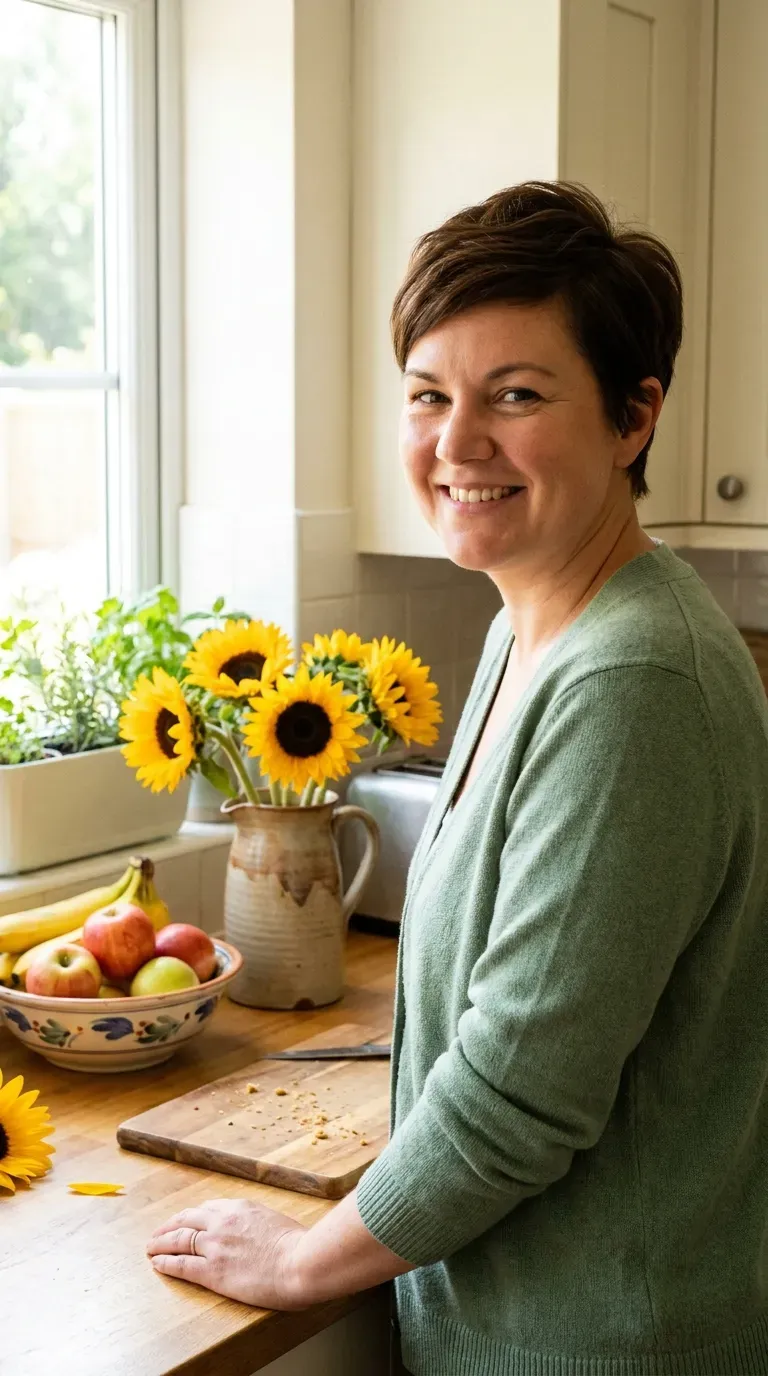
For round faces, the aim is length and angles. Height at the crown elongates the face, while tapered sides reduce width at the cheeks.
Ask for around 3 to 4 inches on top, cut with layers that lift, and keep the sides close. Blow-dry the crown upward with a round brush, then set with a strong-hold texture spray. Avoid rounded, chin-length fringes that echo the face’s curves.
The caveat: volume needs product and about 6 minutes of styling. If you want wash-and-go hair, this isn’t the right pick.
Browse our haircuts for round faces and the Good Housekeeping styling tutorials. Trim every 4 to 5 weeks to keep the height.
19. Pixie for Over 50

Hair often becomes finer and drier after 50, and a pixie can make it look denser and healthier. It also shows off jewelry and skin, and it takes far less time to style.
Ask for soft, feathered layers on top and avoid overly sharp lines, which can look harsh. Use a hydrating mask weekly and a heat protectant if you blow-dry. A volumizing spray at the roots helps combat flattening from thinning.
The honest limitation: if you have significant thinning at the crown, a very short cut can highlight it. A stylist can adjust length and parting to disguise it.
Read our hair care after 50 and the AAD’s hair loss information. Every 5 to 6 weeks, a trim keeps it neat.
20. Long Pixie with Ear-Grazing Length

The long pixie is the growing-out favorite. It leaves enough length to tuck behind the ears and sweep across the forehead, giving you options on bad hair days.
Keep the top around 4 to 5 inches with layered ends, and let the nape sit just above the collar. It handles waves beautifully and gives a soft, romantic look. Use a lightweight cream on damp hair and air-dry for texture.
- Best for: Wavy or wispy hair and anyone growing out a bob
- Trim rhythm: Every 7 to 8 weeks is enough
- Styling: Works with clips, headbands, or a quick part change
See growing out short hair and Allure’s hair advice. It’s the most flexible cut on this list.
21. Coily Tapered Pixie

Natural 4C hair is beautiful at pixie length, and a tapered shape adds structure. It’s easy to maintain, and tight coils hold a sculpted outline very well.
Ask for a taper on the sides and nape, with the top left around 2 to 3 inches, and a defined edge-up. Moisturize daily with a water-based leave-in, followed by a light oil or butter to seal. Twist or shape the top overnight if you want extra definition.
Pro Tip: Moisturize before bed and cover your hair with a satin bonnet. Coily hair loses water quickly, and nighttime sealing prevents dry, brittle ends.
Read our natural hair care essentials and Byrdie’s texture guides. Trim or edge every 4 to 5 weeks.
22. Balayage Pixie
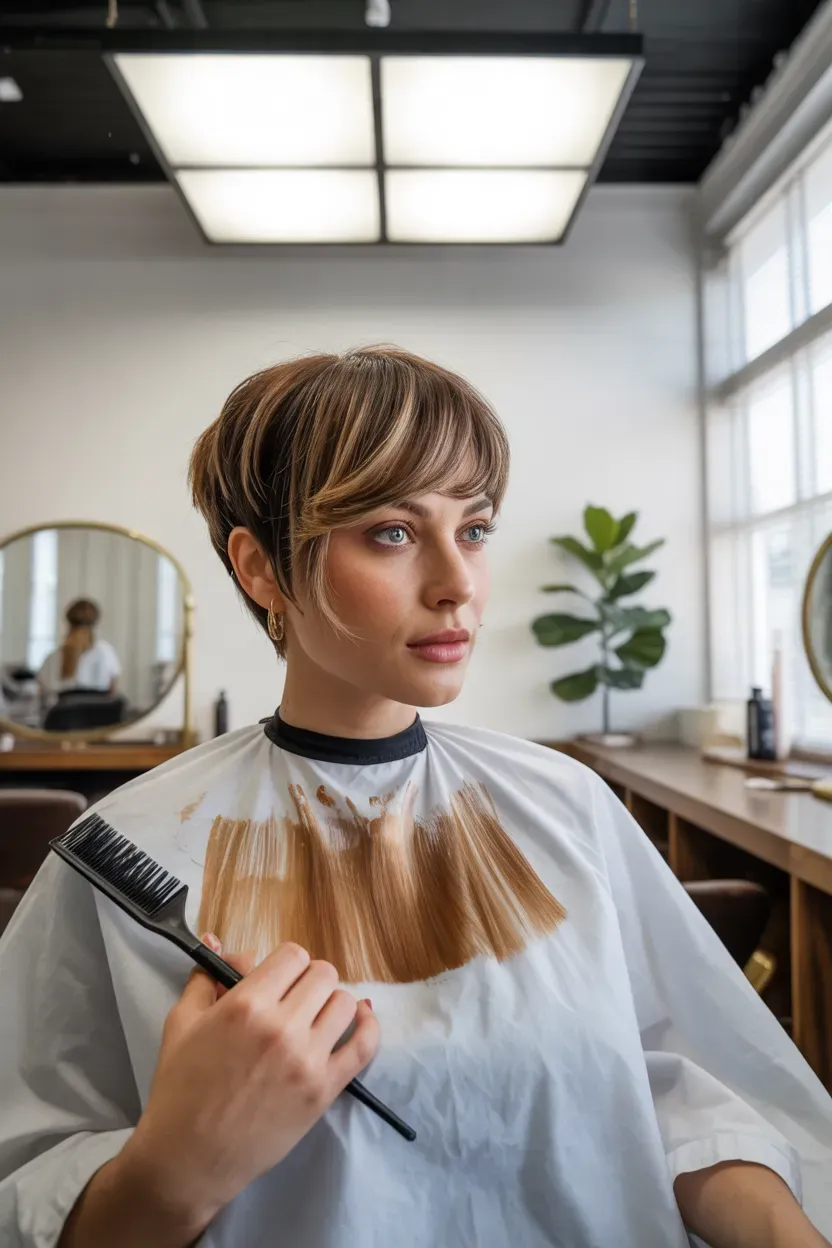
Balayage on a pixie adds subtle dimension without harsh lines. The color is painted by hand, so it grows out softly and needs fewer appointments than traditional foil highlights.
Ask for lighter pieces concentrated on the fringe and textured top, where they catch light. Roots stay natural, which keeps upkeep low, often every 10 to 12 weeks for color. Use a purple-toning mask every couple of weeks if the shade goes brassy.
The trade-off is cost. Balayage on short hair takes skill, and pricing at good salons often starts around $120 to $250.
See highlight ideas for short hair and the Good Housekeeping color guides. It’s the best option for low-maintenance color.
23. Choppy Pixie

A choppy pixie is deliberately uneven, cut with a razor or point technique to create piecey, tousled ends. It’s a natural fit for medium to thick hair that holds shape well.
Keep layers between 1 and 3 inches and avoid smoothing them out. Apply a texturizing paste and twist individual sections with your fingers for that lived-in finish. The look works on oval and diamond faces, where irregular edges balance angular features.
Because the ends are thin from razoring, this cut isn’t ideal for very dry or damaged hair. Deep condition weekly if you’re prone to splitting.
Find more messy hairstyles that look intentional and Harper’s Bazaar hair coverage. Trim every 5 weeks for best texture.
24. Pixie with Curtain Bangs

Curtain bangs part in the middle and sweep to each side, opening up the face rather than covering it. On a pixie, they add softness while leaving the crop clean and short.
Ask for bangs starting around cheekbone length and blending into the sides. Blow-dry them outward with a round brush, then set with a light mist of hairspray. They’re especially flattering on long and oval faces, where they add width at the cheeks.
Pro Tip: Blow-dry curtain bangs while they’re damp, and use your fingers to sweep them apart. If they dry flat, the parting sits stiff instead of falling naturally.
See how to grow and style curtain bangs and Allure’s hair how-tos. Trim every 5 to 6 weeks.
25. Espresso Glossy Pixie
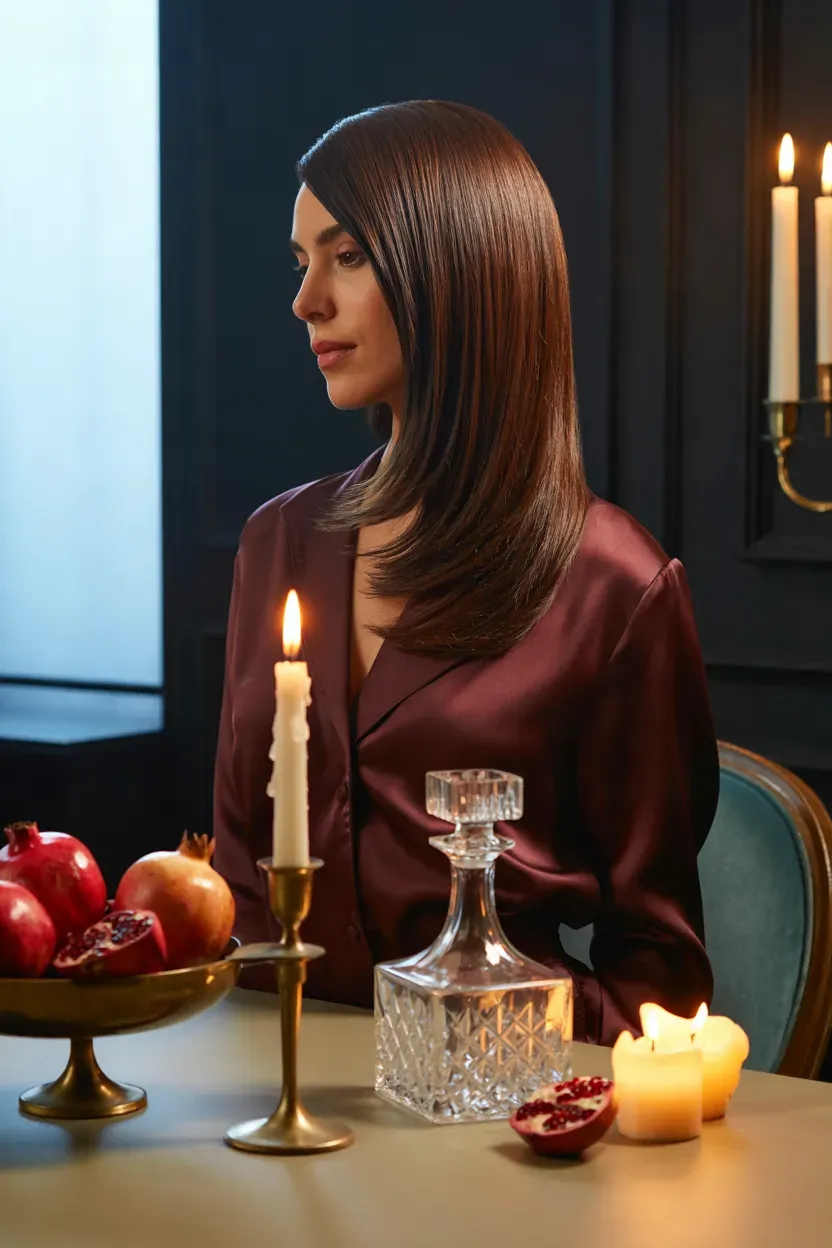
Deep espresso brown with a high-gloss finish makes a pixie look expensive and refined. Shine reflects off the short, smooth surfaces, giving even a simple cut a polished look.
Ask your colorist for a gloss treatment every 4 to 6 weeks, which adds shine without damage. At home, use a clear gloss or a shine serum sparingly on dry hair. Straight and slightly wavy hair works best, since smooth cuticles reflect the most light.
The catch: dark shades show product buildup and dandruff more easily. A clarifying shampoo once a week keeps the finish clean.
Browse rich brunette shades and Byrdie’s shine tips. It’s a timeless finish for a timeless cut.
Getting Started With Elegant Pixie Cuts
The easiest first step is a consultation, not the haircut itself. Book a 15-minute chat with a stylist, bring three reference photos, and show how your hair dries without product. That reveals cowlicks, density, and wave patterns that photos can’t.
The most common beginner mistake is choosing a cut based on a celebrity’s photo without considering hair texture. A pixie that looks sleek on straight hair can puff or spring on curls, and the reverse is also true. If you’re unsure, start with a bixie or long pixie, which grow out more gracefully.
What to buy first: one texturizing paste or cream (around $10 to $25), a small round brush, and a heat protectant if you blow-dry. You don’t need much more.
Realistically, expect a two-week adjustment period. The first week feels strange, and most people settle into a routine by week two. By the second trim, around week five or six, you’ll know whether the cut suits your lifestyle.
Frequently Asked Questions
What is the most flattering pixie cut for a round face?
A pixie with height at the crown and tapered sides is usually most flattering, since it elongates the face. Cut the top around 3 to 4 inches and avoid rounded fringes. Very thick, curly hair may need extra layering to avoid adding width.
How often do you need to trim a pixie cut?
Most pixie cuts need a trim every 4 to 6 weeks to hold their shape. Sharper styles like undercuts and micro fringes need attention every 3 to 4 weeks, while a bixie or long pixie can stretch to 8. Skipping trims makes the shape lose definition.
Are pixie cuts good for fine or thinning hair?
Yes, a tapered or feathered pixie can make fine hair look fuller by moving density toward the crown. Use light, water-based volumizing products, not heavy oils. If thinning is significant at the crown, ask your stylist to adjust the length there.
Can you get a pixie cut with curly or coily hair?
Yes, and curly or coily hair often looks its best short. Have the cut done dry so the stylist can see each curl’s spring. Moisturize daily and sleep in a satin bonnet or on a satin pillowcase to protect definition.
How long does it take to grow out a pixie cut?
Hair grows about half an inch per month, so growing out a pixie to chin length takes roughly 8 to 12 months. A bixie or long pixie makes the in-between stages easier. Regular shaping trims every 8 to 10 weeks prevent awkward lengths.
A Few Final Thoughts
Whether you want something soft and romantic or sharp and dramatic, these 25 elegant pixie cuts show how many different personalities short hair can have. The best one for you depends on your face shape, hair texture, and upkeep tolerance, so bring photos and ask your stylist to be honest. Keep in mind that a pixie is a rhythm as much as a haircut, with regular trims and a few minutes of styling. A small change like this can transform how you feel every morning. Pick one that excites you, book the consultation, and take the first step toward a cut you’ll love.