Some hair looks costly without announcing it. It’s smooth at the ends, shaped to the face, and never trying too hard. That is the appeal of old money hairstyles: they signal care rather than effort, and most of them cost less to keep up than a trendy cut. Below you’ll find 12 of them, with the cut details, styling steps, and upkeep schedules that make each one work. Ready? Let’s explore all 12 of them.
Quick Answer: For a round or square face, try the soft blowout or curtain bangs. For a long face, the blunt bob or chignon suits you best. Low-maintenance picks include the headband half-up, low ponytail, and claw clip twist. Curly and coily hair does best with the defined collarbone cut or the low braided bun.
Why Old Money Hairstyles Are Worth Your Time
The appeal of old money hairstyles is restraint. Nothing is dyed an unnatural shade, nothing is cut into a trend that dates in six months, and the styling is usually finished in ten minutes. You’re aiming for hair that looks healthy, shaped, and slightly undone in a deliberate way.
The practical payoff is real. Most of these looks work on the hair you already have, so you spend less on products and fewer hours at the salon. A good blunt bob needs a trim every 6 to 8 weeks, and a low chignon needs nothing but pins and a brush. Lived-in, polished hair also grows out gracefully, which keeps the cost per wear low.
Here’s the lesser-known part: shine matters more than the cut. In my experience, a medium-quality cut with a weekly gloss treatment or a good finishing serum reads as more expensive than a flawless cut on dry, frizzy ends. Reflected light is what the eye picks up first.
These styles suit anyone who wants quiet polish for work, dinners, or travel, from fine straight hair to thick coils. They are less suited to people who love bold color or heavy texture. If that’s you, borrow the shine and shaping, and keep your own personality.
At a Glance
- The low chignon takes about five minutes and works on nearly every hair length past the chin.
- A soft blowout adds movement without needing a curling iron, using only a round brush and 15 minutes.
- Blunt bobs need trimming every 6 to 8 weeks to keep the line sharp.
- Curly hair looks most expensive when defined and hydrated, rather than stretched straight.
- A tonal brunette or honey gloss refreshes color every 6 to 8 weeks without harsh lightening.
| Style | Best Face Shape | Hair Type | Maintenance | Length |
| Sleek Low Chignon | Oval, heart | Straight to wavy | Low | Chin to shoulder+ |
| Soft Blowout | Round, square | Fine to medium | Medium | Shoulder to mid-back |
| Headband Half-Up | Long, oval | Straight to wavy | Low | Collarbone+ |
| Blunt Bob | Oval, long | Straight, thick | Medium-high | Jaw to chin |
| Low Ponytail | Most shapes | Any | Low | Shoulder+ |
| Curtain Bangs | Round, square | Straight to wavy | Medium | Any |
| French Twist | Oval, heart | Medium to thick | Medium | Shoulder+ |
| Defined Curls | Oval, square | Wavy to coily | Medium | Collarbone |
| Blunt One-Length | Oval, heart | Straight | Medium | Mid-back |
| Claw Clip Twist | Most shapes | Any | Low | Shoulder+ |
| Low Braided Bun | Oval, round | Coily, thick | Medium | Shoulder+ |
| Tonal Brunette Gloss | Most shapes | Any | Medium | Any |
1. Sleek Low Chignon: The Old Money Hairstyle That Works Anywhere

A low chignon is the quickest way to look put together with no visible styling. It works because the smooth surface and low placement read as calm and deliberate.
Brush hair back with a boar bristle brush, then twist it into a loose knot at the nape and anchor it with four to six U-shaped pins. A tiny dab of smoothing cream along the crown keeps flyaways down. If your hair is very fine, add a donut sponge underneath for volume.
I once styled mine too tight and ended up with a headache by noon, so leave the roots relaxed. This works best on straight to wavy hair at least chin length.
Pro Tip: Pull two small strands loose at each temple after pinning. A fully slicked perimeter looks severe, while those strands soften the face.
Read more about pinning techniques for updos and check how editors style a low bun.
Practice it twice before an event and it becomes second nature.
2. Soft Blowout With Face-Framing Layers
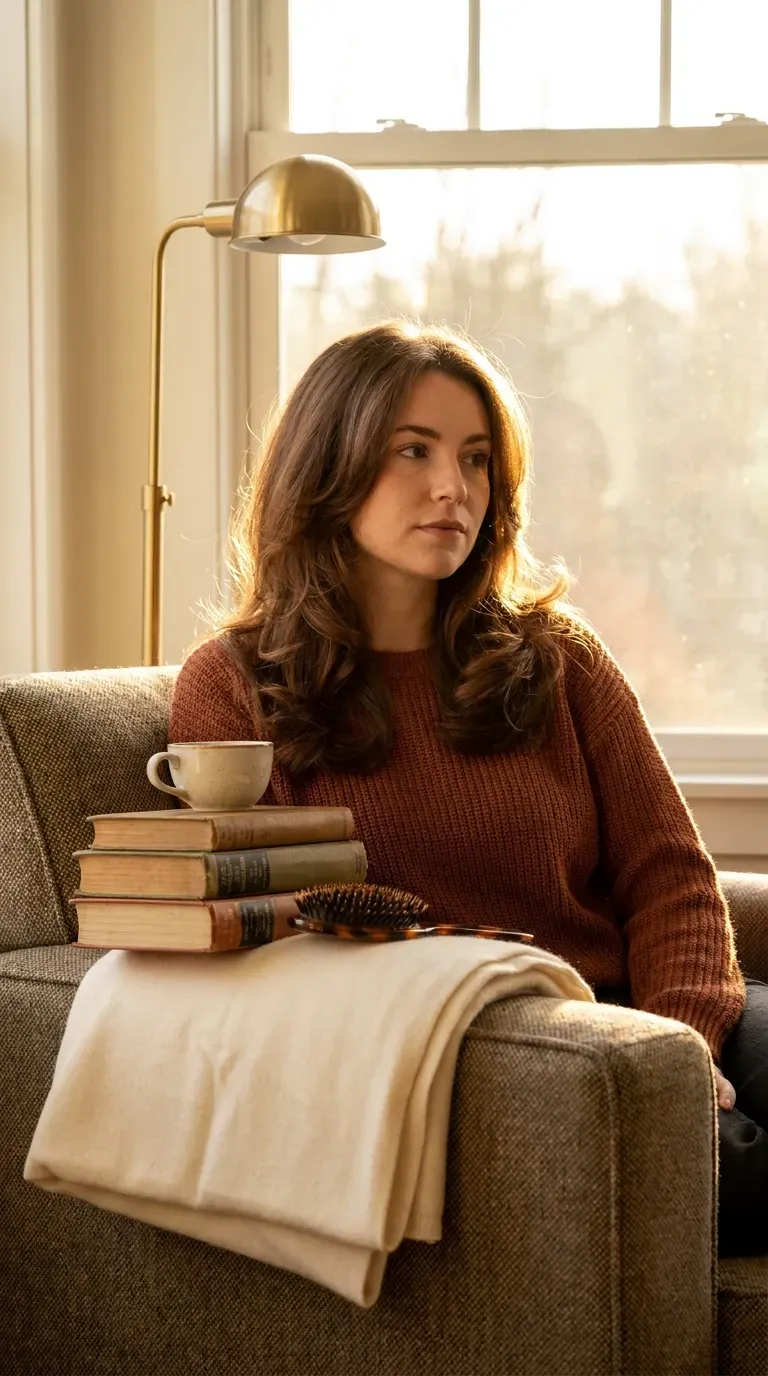
This is the bounce you see on well-dressed women at long lunches. It relies on shape and movement instead of heat-set curls.
Ask your stylist for long layers starting at the chin, graduated to blend. At home, rough-dry to 80 percent, then blow-dry in sections with a 2.5-inch round brush, rolling the ends under and keeping the nozzle pointed down the shaft.
What works and what doesn’t:
- Works: fine to medium hair, with a light mousse at the roots.
- Works: a cool-shot finish before you release the brush, which sets the bend.
- Avoid: heavy oils, which flatten it within an hour.
- Avoid: curling the ends outward, which dates the look.
Browse blowout tips for thin hair or read Harper’s Bazaar’s hair guide for tool advice.
Fifteen minutes with a round brush beats any curling iron here.
3. Classic Headband Half-Up

A padded headband is the most dependable piece of hair jewelry here. It holds the front back while the rest of the hair falls free, which suits school runs and lunch dates equally.
Choose a narrow to medium band, about 1 to 1.5 inches, in velvet, silk, or matte tortoiseshell. Slide it on after your hair is dry, then pull the front section forward a half inch so it sits slightly above the hairline rather than flat on it. Skip anything with rhinestones.
My own mistake was wearing a band that was too tight, which left a dent behind my ears by evening. Pick one with a bit of give.
Pro Tip: Tease the hair just behind the band with a fine-tooth comb for a half-inch lift. This gives the band something to sit on and stops it sliding backward.
See more headband styling ideas and Elle’s beauty edit.
Your hair does the rest of the work.
4. Blunt Shoulder-Skimming Bob: A Sharp Old Money Hairstyle for Thick Hair
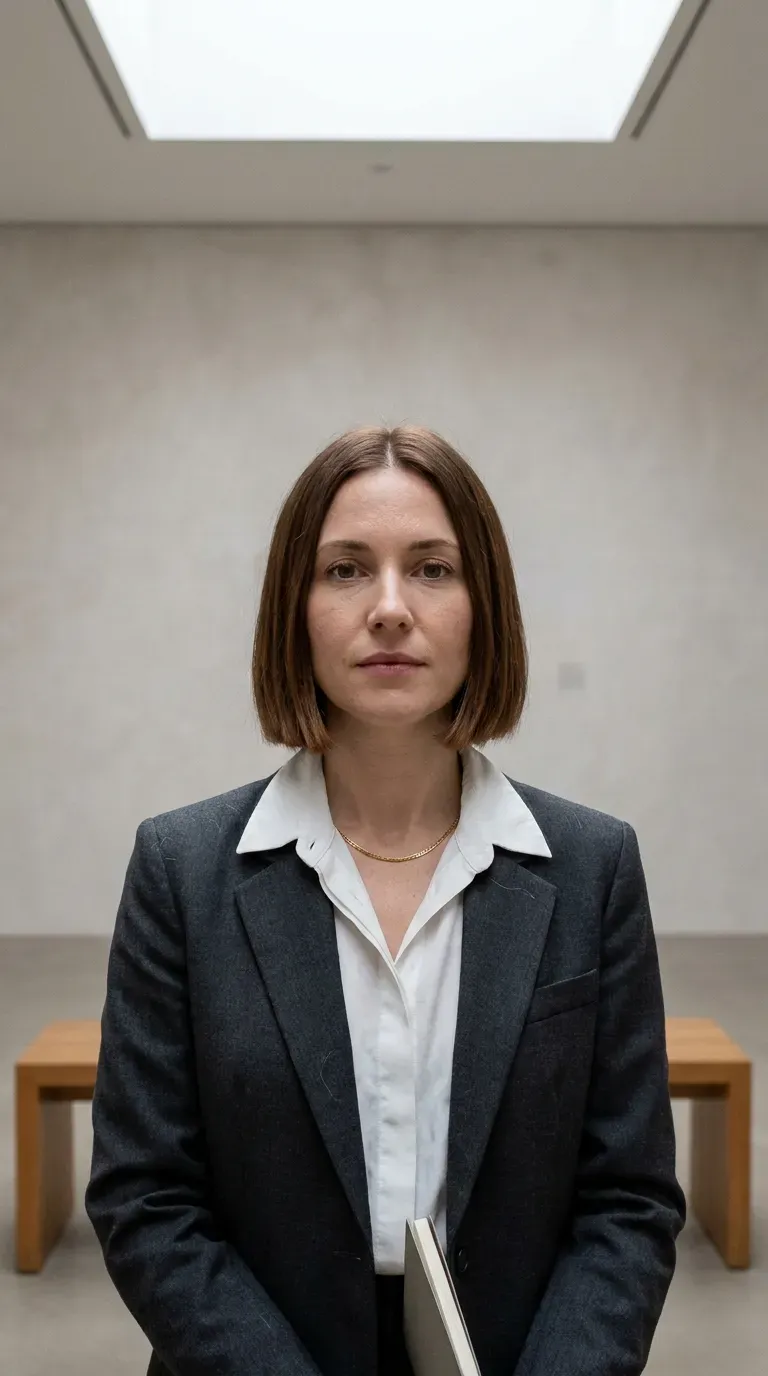
A blunt bob with a single, clean edge looks expensive because the line is precise and the ends are thick. It works best on straight, medium to thick hair.
Ask for a one-length cut at the jaw or just below, with no heavy layering and a minimal dusting of texture at the ends. Expect to trim every 6 to 8 weeks, since a bob’s shape fades fast. Blow-dry smooth with a paddle brush and finish with a drop of lightweight oil on the ends only.
It is not ideal for very fine, thinning hair, where the line can look sparse.
Variations to consider:
- Beginner: chin-length, tucked behind one ear.
- Advanced: an A-line with the back cut half an inch shorter.
Check bob cuts for different face shapes and Allure’s bob guide.
One strong edge does more than any layer.
5. Low Ponytail With a Wrapped Strand

A ponytail looks plain until you hide the elastic. Wrapping a thin section of hair around it takes ten seconds and changes the whole effect.
Gather hair at the nape, secure it with a snag-free elastic, then take a one-inch strand from underneath, wrap it around the base three to four times, and pin the end inside with a bobby pin. Smooth the crown with a bit of light gel. This works on any hair type, though very curly hair needs a looser wrap.
A mistake I’ve made: placing the ponytail too high, which gives a gym look. Keep it at the nape or just above.
Pro Tip: Brush the ponytail through before wrapping, then spritz a little shine spray along its length. The ponytail itself is the visible piece, so a smooth, glossy surface matters most.
Find more ponytail ideas for work or see Who What Wear’s styling tips.
It takes under five minutes and pays you back all day.
6. Curtain Bangs With Long Layers

Curtain bangs are the softest way to add a fringe without committing to a straight line across the forehead. They part in the middle and sweep to each side, framing the cheekbones.
Ask for bangs cut long, typically around eyebrow length at the shortest point, blended into layers that begin at the cheek. Dry them first each morning with a small round brush, pulling them away from the face, then let the rest of your hair air dry or blow it out.
On very fine hair, take a narrower section for the fringe so it doesn’t look sparse. Expect a quick trim every 4 to 6 weeks, which most salons do free if you book in.
They suit round and square faces especially well, but curtain bangs struggle with a strong cowlick at the front hairline.
Read how to grow out bangs or browse Byrdie’s hair section.
Grown-out bangs actually blend well with this cut.
7. French Twist for Evenings

The French twist has been around for decades because it frames the neck and takes less skill than it looks. It’s best for medium to thick hair at least shoulder length.
Hold the hair in a low ponytail, twist it upward in one direction until it lies flat against the back of your head, then tuck the ends inside and secure along the seam with 5 or 6 pins. Add a light-hold spray to keep the line clean.
I once skipped the spray before a wedding and the twist sagged by dessert. Spray the pins as well, since it adds grip.
Pro Tip: Start with second-day hair or add texturizing spray first. Freshly washed, silky hair slips out of pins, while a little grit holds the twist in place.
Learn easy updos for formal events and see Harper’s Bazaar’s updo ideas.
Ten minutes of practice and it becomes your default evening style.
8. Defined Curls at Collarbone Length: The Old Money Hairstyle for Natural Texture
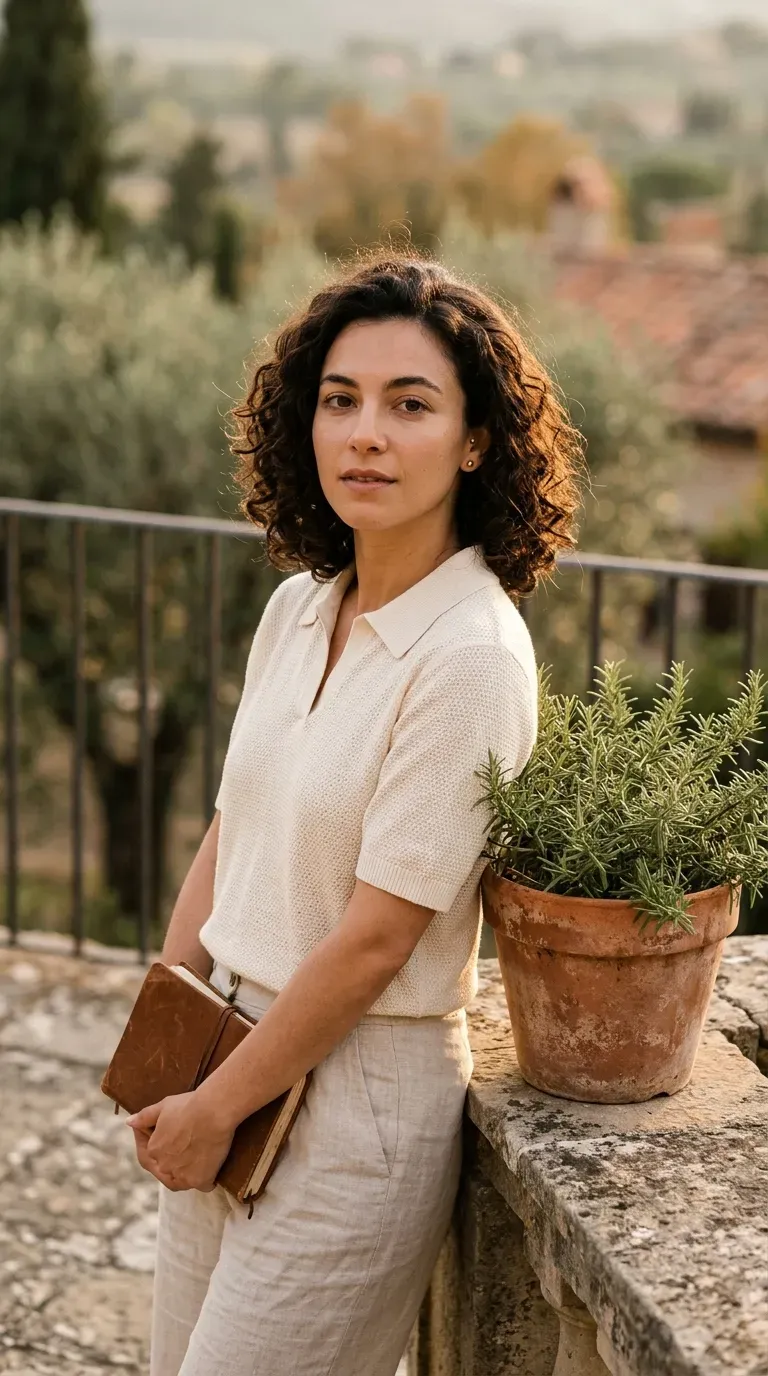
Curly hair reads as expensive when the curls are clearly defined, hydrated, and cut with intention. Ironing them straight is not required.
Have the cut done dry or on dry curls by someone trained in curl cutting, aiming for a rounded shape at collarbone length, about 1 to 2 inches shorter than the length when stretched. Style on soaking wet hair with a leave-in and a gel, scrunch upward, and diffuse on low heat.
Plan to wash every 4 to 7 days and deep-condition weekly. Curl definition fades faster in winter, so I add a light cream on day three.
What helps and what hurts:
- Helps: a satin pillowcase, microfiber towel, and clarifying wash monthly.
- Hurts: brushing dry curls, which creates frizz.
Visit curly cut ideas or Allure’s curl care guide.
Well-defined curls need little else to look finished.
9. Blunt One-Length Long Hair

Long hair cut in a single blunt line is deceptively simple. The straight edge makes the whole length look denser and healthier.
Ask for a dusting, about a half inch, taken off every 8 to 10 weeks so the ends stay thick. Avoid heavy layers, which thin the bottom. Blow-dry straight with a paddle brush, then smooth the last 4 inches with a flat iron on a medium setting.
I’ve found that a weekly protein-balanced mask helps this look more than any serum. This style suits straight to slightly wavy hair, and it isn’t ideal for very fine hair that tends to split.
Pro Tip: Part your hair slightly off-center rather than in the middle. It frames the face more softly and gives the crown a little natural lift.
Browse long hair care tips and the American Academy of Dermatology’s hair care advice.
Patience and regular trims do the heavy lifting.
10. Claw Clip Twist With Loose Face Strands

A claw clip suits a lot more settings than people assume, provided it’s a matte, neutral one. Skip glittery or neon versions.
Twist all your hair up and back, fold the end upward, then clip it at the crown or just below, letting the ends fan out. Pull out two thin strands at the front. A medium clip about 3.5 inches wide handles most hair types, though thick hair needs a larger one with strong spring tension.
The clip slips on very fine, silky hair, so I add a light texture spray first. Expect it to hold well through a full workday.
Quick comparisons:
- Beginner: a clip at the nape.
- Advanced: a clip at the crown, with a twist-and-tuck on top.
See easy hairstyles for busy mornings and Who What Wear’s accessory coverage.
Choose a clip in tortoiseshell or black for the most polished result.
11. Low Braided Bun for Thick and Coily Hair
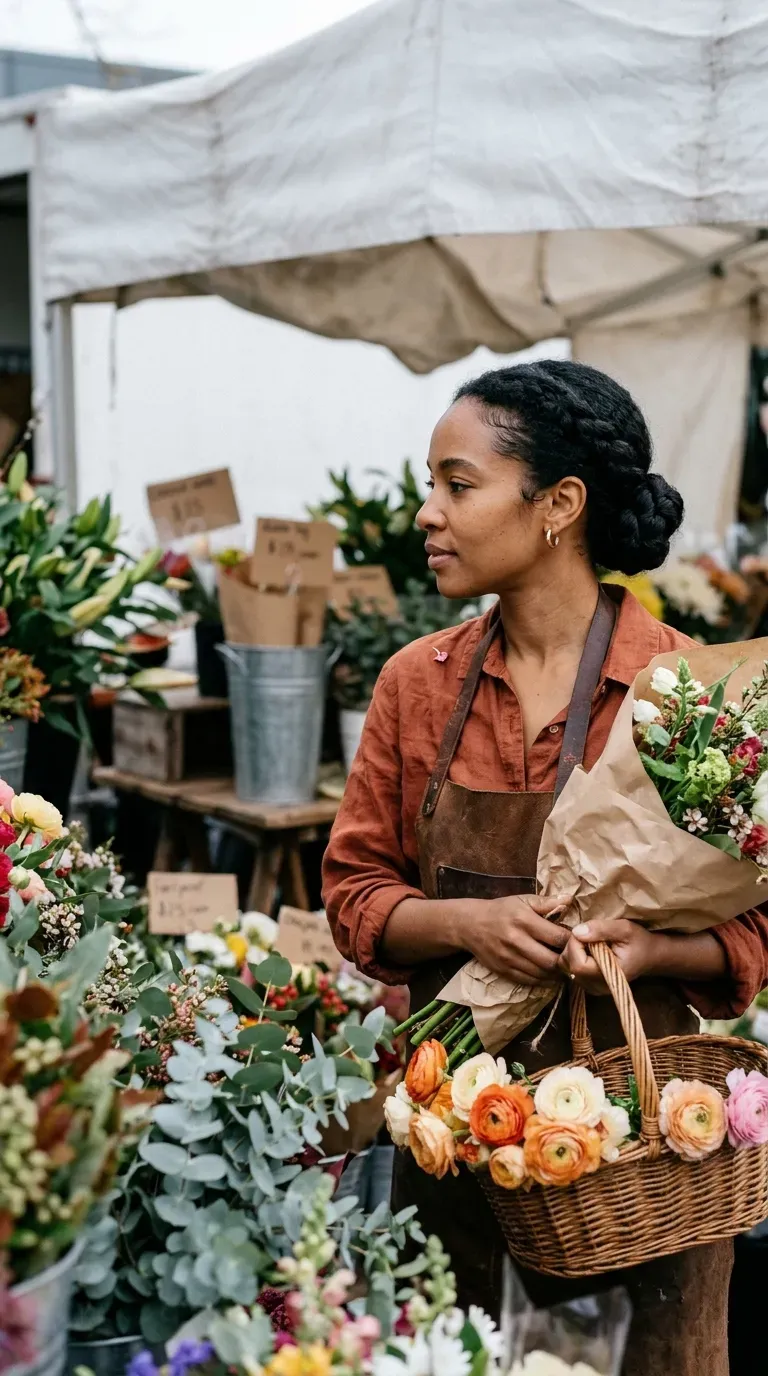
A low braided bun adds texture and shape without needing any heat. It works especially well on coily and thick hair.
Moisturize with a leave-in and a light butter, braid your hair into one or two thick plaits, then coil the braid into a low bun and pin it. For a smooth edge, apply a soft-hold gel and brush it back with a soft-bristle brush. Keep the style for up to a week, retying lightly at night.
I’ve seen people braid too tightly at the nape, which strains the hairline. Keep tension gentle. If you notice soreness, loosen it and consult a professional.
Pro Tip: Finish with a satin scrunchie at night. Cotton absorbs moisture from coily hair, while satin protects both the braid and your ends.
Find protective styles for natural hair and Essence-style care tips from Byrdie.
A neat braid reads as intentional from across the room.
12. Tonal Brunette Gloss: The Old Money Hairstyle Color Treatment

Color is where old money hair gets its glow. The goal is dimension within one tone, with no stripes and no harsh lines.
Ask your colorist for a gloss in a shade within two levels of your natural color, with a few fine, face-framing tones one shade lighter. A gloss takes 20 to 30 minutes and costs roughly $60 to $120, depending on the salon, and it usually fades over 6 to 8 weeks.
I’ve had the best results when I brought a photo of the dimension I wanted, rather than naming a color. Names mean different things to different colorists.
Quick guide:
- Cool undertones: ash-leaning espresso or deep mocha.
- Warm undertones: chestnut with soft caramel.
- Avoid: heavy lightening on already damaged ends.
Visit color maintenance tips and Allure’s color guide.
A good gloss makes everything else look better.
Getting Started With Old Money Hairstyles
The easiest first step is a trim. Most of these looks fall apart on split or uneven ends, so book a cut before anything else. Bring two photos and ask the stylist what suits your texture and density, since a cut that works on thick straight hair can look wrong on fine wavy hair.
The most common beginner mistake is overstyling. People pile on products and heat, then wonder why the result looks shiny in the wrong way. Start with one leave-in or serum, a quality brush, and a handful of pins, and add products only when you can name what each one does.
Book one consultation, not three. A single honest conversation about face shape, grow-out time, and upkeep will save you money. If you’re growing out a cut, plan on 6 to 8 weeks for the first visible change and 3 to 6 months for a full transformation. A gloss lasts about the same time as your next trim, so you can book them together.
Frequently Asked Questions
What are old money hairstyles?
Old money hairstyles are polished, low-key cuts and styles built on shine, clean lines, and minimal accessories. Think low chignons, blunt bobs, and soft blowouts. They typically need a trim every 6 to 8 weeks to hold their shape.
What haircut looks the most expensive?
A blunt, one-length cut with healthy ends usually reads as the most expensive, because thick, smooth edges signal care. A jaw-length bob or long blunt cut both work. Regular trims matter more than the length.
Can curly hair do old money hairstyles?
Yes. Defined curls at collarbone length or a low braided bun look just as polished as straight styles. The key is hydration and a shape cut by someone experienced with curls, which is worth the extra $20 to $40.
How do I make my hair look healthier and shinier?
Start with a weekly deep conditioner and a light finishing serum applied to the ends only. A gloss treatment every 6 to 8 weeks adds visible reflection. Persistent dryness or breakage deserves a check with a dermatologist or trichologist.
Which old money hairstyle is easiest to do at home?
The low ponytail with a wrapped strand takes under five minutes and needs only an elastic and a pin. The claw clip twist comes next. Both work on most hair types, though very fine hair needs a little texture spray for hold.
A Few Final Thoughts
These 12 old money hairstyles prove that quiet polish is mostly about healthy ends, a clean shape, and a little patience. You don’t need all of them, and in my experience, two or three that suit your hair are plenty. Start with a trim, choose the style that fits your texture and your routine, and let the shine and shape do the talking. A small change, like a wrapped ponytail or a fresh gloss, can shift your whole look without a dramatic overhaul. Pick one tomorrow morning and wear it for a week.