
Babylights are the quietest highlights in the salon, and that is exactly why I love them. They are finer than a pencil line, woven through the hair in tiny sections, so the result looks less like a colour appointment and more like a summer spent outdoors. No stripes, no harsh regrowth line, just soft light catching the hair every time you turn your head. This guide collects 15 babylights ideas, each with a best hair type, an honest skill level, a grow-out time, and one mistake I have made so you do not have to. Whether your base is blonde, brunette, black, red, or silver, there is a version here that will look like it grew that way. Ready? Let us walk through all 15 of them.
Quick Answer: For a first appointment, start with the Classic Golden Babylights on Dark Blonde (#1) or the Honey Babylights on Medium Brown (#2). For dark hair, try the Face-Framing Babylights on Black Hair (#5) or the Caramel Babylights on Dark Brown (#4). For grey blending, ask for the Grey-Blending Babylights (#10). Salon babylights usually cost $120-280 depending on length and density, and most clients stretch appointments to 10-14 weeks because the grow-out is so soft.
Why Babylights Are Worth Your Time
Babylights are worth your time because they solve the two problems most highlights create: visible regrowth and that striped, done look. Because each woven section is so fine, sometimes only a few hairs wide, the colour melts into your natural base instead of sitting on top of it. The result reads as dimension rather than colour, which is why strangers assume your hair lightened in the sun.
There are practical wins too. Babylights grow out far more gracefully than chunky highlights or a full bleach, so you are not tied to a six-week salon cycle. Many of my clients go three to four months between appointments, with only a gloss or a toner refresh in between. That makes them genuinely low maintenance, even though the appointment itself takes longer, usually two and a half to four hours, because fine weaving is slow, careful work. You are paying for patience, not just product.
Here is the lesser-known part: babylights can make fine hair look thicker and thick hair look lighter. On fine hair, the tiny light pieces create the illusion of texture and movement, so a ponytail looks fuller. On very thick or dark hair, the same fine pieces break up the solid block of colour without removing weight or changing your overall depth. That is why the technique works on almost every hair type, from pin-straight to curly, and on short bobs as well as waist-length waves.
At a Glance
- Five looks are beginner-friendly for a first colour appointment, and need no bleach-heavy commitment.
- Grow-out times run from 8 weeks for brighter blondes to 16 weeks for soft brunette and grey-blending looks.
- Blonde, brunette, black, red, and grey-blending bases all appear, with face-framing, crown, ends, and underneath placement.
- Salon prices run $120-280, while a gloss or toner refresh between appointments costs about $40-80.
- Finishes include golden, ashy, caramel, honey, and champagne, so you can match your skin tone and your wardrobe.
| # | Look | Best Hair Type | Skill Level | Grow-Out Time | Occasion |
| 1 | Classic Golden Babylights | Dark blonde | Beginner | 10-12 weeks | Everyday |
| 2 | Honey Babylights | Medium brown | Beginner | 12-14 weeks | Everyday |
| 3 | Champagne Babylights | Light blonde | Intermediate | 8-10 weeks | Date night |
| 4 | Caramel Babylights | Dark brown | Beginner | 12-14 weeks | Office |
| 5 | Face-Framing Babylights | Black hair | Intermediate | 12-16 weeks | Everyday |
| 6 | Ashy Babylights | Cool blonde | Intermediate | 8-10 weeks | Evening |
| 7 | Copper-Gold Babylights | Auburn / red | Intermediate | 10-12 weeks | Autumn |
| 8 | Sun-Kissed Babylights on Long Waves | Long wavy hair | Intermediate | 12-14 weeks | Holiday |
| 9 | Hidden Babylights Underneath | Thick brunette | Intermediate | 12-16 weeks | Office |
| 10 | Grey-Blending Babylights | Grey / salt-and-pepper | Salon | 12-16 weeks | Everyday |
| 11 | Babylights on Curly Hair | Curly hair | Salon | 10-12 weeks | Everyday |
| 12 | Soft Bronde Babylights | Dark blonde / light brown | Beginner | 12-14 weeks | Everyday |
| 13 | Babylights on a Short Bob | Short bob | Intermediate | 10-12 weeks | Work |
| 14 | Golden Babylights on the Ends | Dark brown, long | Beginner | 14-16 weeks | Weekend |
| 15 | Babylights for Fine, Thin Hair | Fine, thin hair | Salon | 10-12 weeks | Everyday |
1. Classic Golden Babylights on Dark Blonde

Classic golden babylights on dark blonde are the original sun-kissed look, and they are still the one I recommend first. The colourist weaves whisper-fine strands, just one or two shades lighter than your base, through the top layers and around the face, then tones them warm gold. From a distance it does not look like highlights at all. It looks like your dark blonde hair simply catches the light better than everyone else’s, which is the whole point of babylights hair done well.
Ask your stylist for fine weaves, not slices, with a golden toner rather than an ash one, and keep the lightest pieces within two levels of your base. That restraint is what keeps the result natural. The appointment takes about two and a half to three hours, including a bond builder and a gloss, and the colourist should place the brightest pieces where the sun would naturally hit: the parting, the crown, and the hair framing your face. The underneath layers stay darker, which gives the light pieces something to shine against.
A mistake I made early on was asking for babylights that were too light, too fast. On dark blonde hair, lifting four levels in one sitting left the fine pieces brassy and straw-like, and I spent the next month toning them at home. Go one appointment at a time. You can always go lighter next visit, and your hair will thank you for the patience.
Grow-out is gentle, usually 10 to 12 weeks before you need a full refresh, and a toner-only appointment at six weeks keeps the gold fresh for about $40 to $60. The full service costs around $150 to $220 for shoulder-length hair. See soft balayage ideas or how to ask your stylist for babylights.
2. Honey Babylights on Medium Brown

Honey babylights are the warmest, friendliest version of this technique, and they suit medium brown hair beautifully. The honey tone sits between caramel and gold, so it warms up your complexion without shouting about it. I love this look on women who want a visible change that still feels like them, because the honey pieces read as dimension in indoor light and as sunshine outdoors, which means the colour works twice as hard as a single flat shade.
What to ask for matters here. Tell your stylist you want honey, not blonde, and ask for the pieces to be concentrated through the mid-lengths and ends as well as the crown. That placement is what gives brown hair its movement, because the honey catches light when the hair swings. Without that depth, honey on brown can wash out into one flat, muddy tone, especially in winter light.
The mistake to avoid is skipping the gloss. Honey is a warm tone, and warm tones fade faster than cool ones, especially if you wash your hair in hot water or spend time in the sun without protection. A clear or honey gloss at the end of the appointment seals the cuticle and locks the tone in, and a colour-safe shampoo at home does the rest. I once skipped the gloss to save twenty minutes and watched the honey turn brassy within three weeks, which cost me a whole extra appointment to fix.
Grow-out time is generous, around 12 to 14 weeks, because honey sits close to brown and the regrowth line is soft. Expect to pay $140 to $230, with a gloss refresh at eight weeks for about $50. See honey brown hair ideas or how to keep warm highlights from turning brassy.
3. Champagne Babylights on Light Blonde

Champagne babylights are the polished, evening-ready version of blonde, and they are perfect if your light blonde hair has started to look flat or yellow. Champagne is a cool, pale gold with the tiniest hint of pink, so it brightens the hair without the icy, almost white effect of platinum. It catches the light like the drink it is named for, with a soft sparkle rather than a hard shine, and it photographs beautifully, which is why so many brides and bridesmaids ask for it.
Ask your stylist for a champagne toner over finely woven babylights, and be honest about how light you are willing to go. On light blonde hair the lift is gentle, usually only one level, so the appointment is kinder to the hair than a full bleach. The colourist should weave the lightest pieces around the face and through the parting, where they frame your features, and keep the pieces underneath slightly deeper so the champagne has depth.
Pro Tip: champagne fades faster than golden tones, so book a toner refresh at six to eight weeks rather than waiting for a full highlight appointment. A purple shampoo used once a week, left on for three minutes, keeps the tone from slipping yellow, but a deep conditioning mask once a week is just as important, because fine blonde hair dries out quickly. The mistake I see most is over-toning at home with purple shampoo every wash, which turns champagne hair dull and lavender-grey.
Grow-out is about 8 to 10 weeks for a full refresh, and the service costs $160 to $260 for long hair. It also pairs beautifully with soft waves, which catch the champagne tone at every bend and make the colour look brighter in photos. See champagne blonde hair ideas or how to maintain cool blonde highlights.
4. Caramel Babylights on Dark Brown
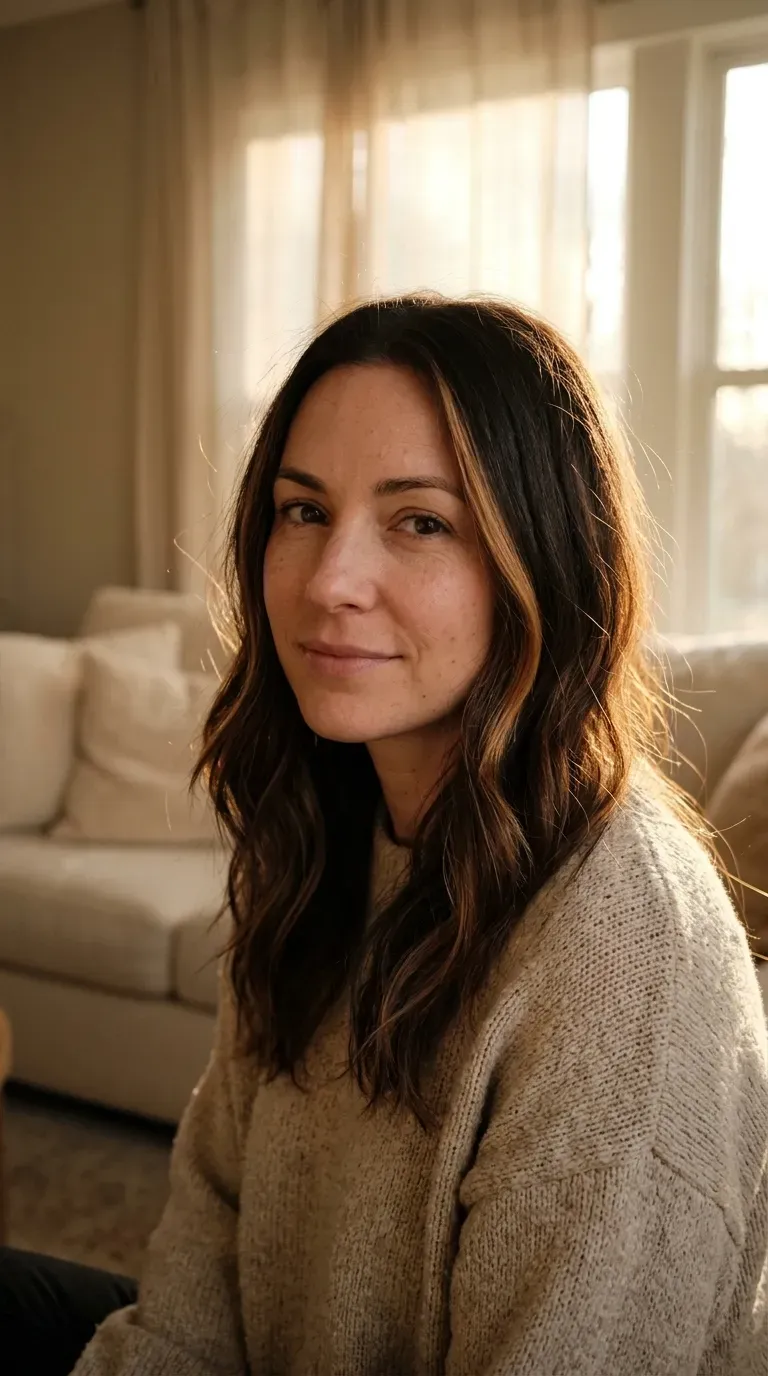
Caramel babylights are the safest way to lighten dark brown hair without losing its richness, and they are the look I suggest when someone says they want change but not drama. Caramel is warm, soft, and edible-looking, like the colour of melted sugar, and on dark brown hair it creates ribbons of light that move when you do. The contrast is visible enough to feel new, but gentle enough that nobody at work will ask if you dyed your hair, which for many women is exactly the point.
The how-to is all about placement and patience. Dark brown hair needs a careful lift, so a good colourist will weave very fine sections and use a lower developer with a bond builder, rather than rushing the lift and damaging the hair. Ask for the caramel pieces to start a few centimetres from the root, so the grow-out is diffused, and to be heaviest through the mid-lengths, where the light hits when your hair moves.
A mistake I made with this exact look was washing it with a clarifying shampoo the week after my appointment. Clarifying shampoos strip warm tones fast, and my caramel turned a flat, ashy brown within two washes. Use a colour-safe, sulphate-free shampoo, wash in lukewarm water, and save the clarifying wash for the week before your next appointment, when your stylist can re-tone anyway. A leave-in heat protectant matters too, because caramel pieces are the first to fade under a hot straightener.
Grow-out time is 12 to 14 weeks, and the service costs $150 to $240. A gloss refresh at eight weeks keeps the caramel warm for about $50. See caramel highlights for dark brown hair or how to protect colour-treated hair from heat.
5. Face-Framing Babylights on Black Hair

Face-framing babylights on black hair are the lowest-commitment way to try lighter colour, and they make the biggest difference for the least amount of hair. Just a few fine, golden pieces around the face, sometimes called a money piece in a softer form, can brighten your whole complexion, open up your eyes, and make black hair look less heavy. The rest of the hair stays its natural, glossy black, so the contrast feels intentional and the upkeep stays minimal, which is why this is one of the most requested babylights hair looks in the salon.
Ask your stylist for fine weaves, not a thick block, in the front two sections on each side, starting at the hairline and fading back toward the ears. The pieces should be golden or warm honey, not ash, because ash on black hair can look grey and tired, while gold looks like sunlight. A good colourist will lift slowly, tone carefully, and check the pieces in natural light before you leave.
Pro Tip: the face-framing pieces are the first to fade because they are the finest and the most exposed to sun, styling, and face products. Keep sunscreen and strong skincare acids away from the front strands, and use a colour-safe shampoo, because the pieces sit right where you wash your face. I once lost the gold in my front pieces within a month because my vitamin C serum kept touching them, and nobody warned me that skincare could strip hair colour.
Grow-out is very forgiving, 12 to 16 weeks, because only a small section is coloured and the rest of the hair is untouched. The service costs $100 to $180 as a partial service, which makes it the cheapest entry point on this list. See face-framing highlights for black hair or money piece ideas for dark hair.
6. Ashy Babylights on Cool Blonde
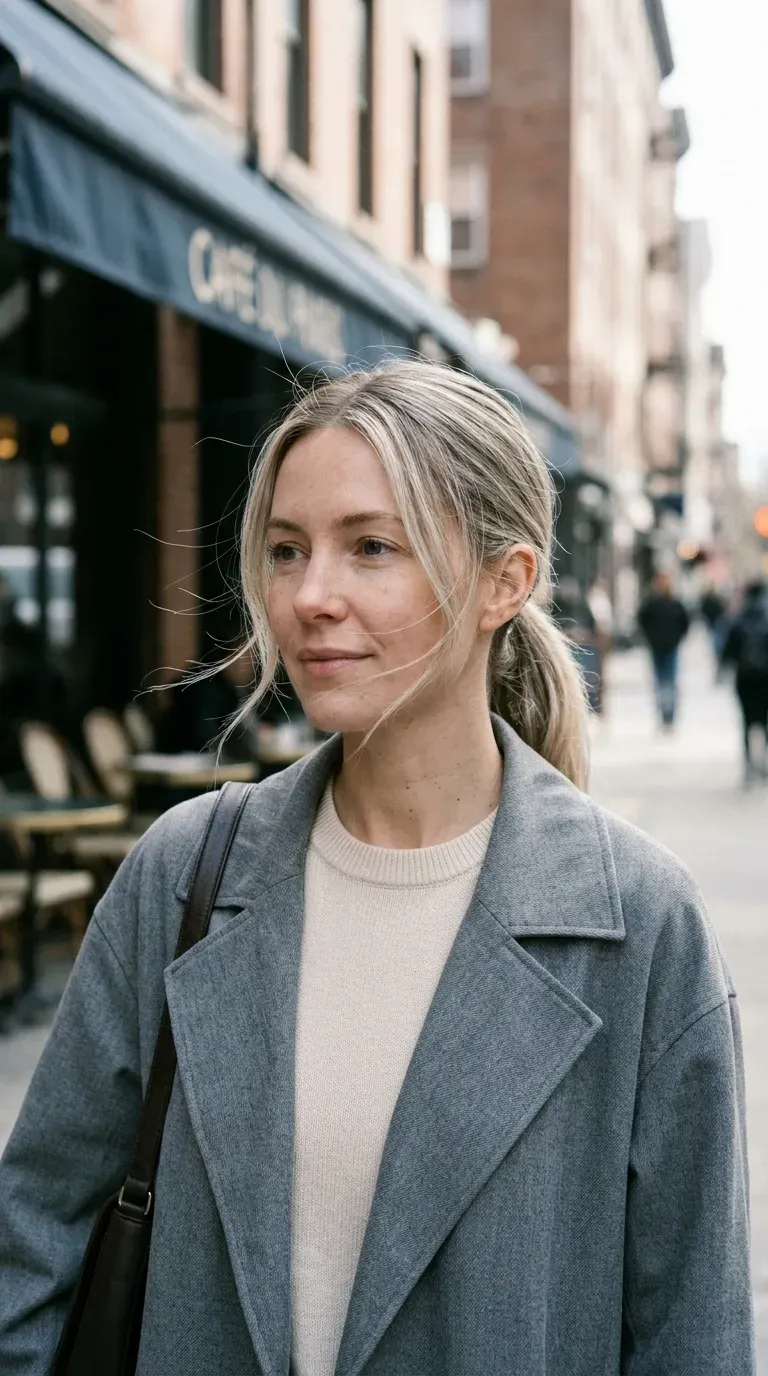
Ashy babylights are for the cool blonde who loves a smoky, understated finish and hates any hint of yellow. Where golden babylights glow, ashy ones shimmer, with a soft, almost silver-beige tone that looks expensive in daylight and quietly elegant indoors. This is the look to choose if your skin has cool or neutral undertones, if gold jewellery suits you less than silver, or if every warm highlight you have ever had turned brassy within weeks. Ash works with your undertones instead of fighting them.
The technique needs a careful hand, because ash toner on fine blonde pieces can go grey or muddy if it is left on too long. Ask your stylist for a beige-ash toner rather than a straight ash, which keeps the result soft instead of flat, and for the pieces to be woven finely through the crown and parting, where the cool tone brightens the face. The lift itself is usually gentle on already-blonde hair, but the toner is the whole look, so ask your colourist to show you the toner choice and to rinse it the moment the tone looks right, not on a fixed timer.
A mistake I have seen often is pairing ashy babylights with the wrong makeup and wardrobe. Ash loves black, white, navy, emerald, and cool pink, and it looks its best with a little blush and a cool-toned lip. It is a small styling point, but it changes how the colour reads.
Grow-out is 8 to 10 weeks, with a toner refresh at six weeks for about $40 to $60, because ash fades faster than warm tones. The full service costs $160 to $260. See ashy blonde hair ideas or how to stop blonde hair turning yellow.
7. Copper-Gold Babylights on Auburn Hair
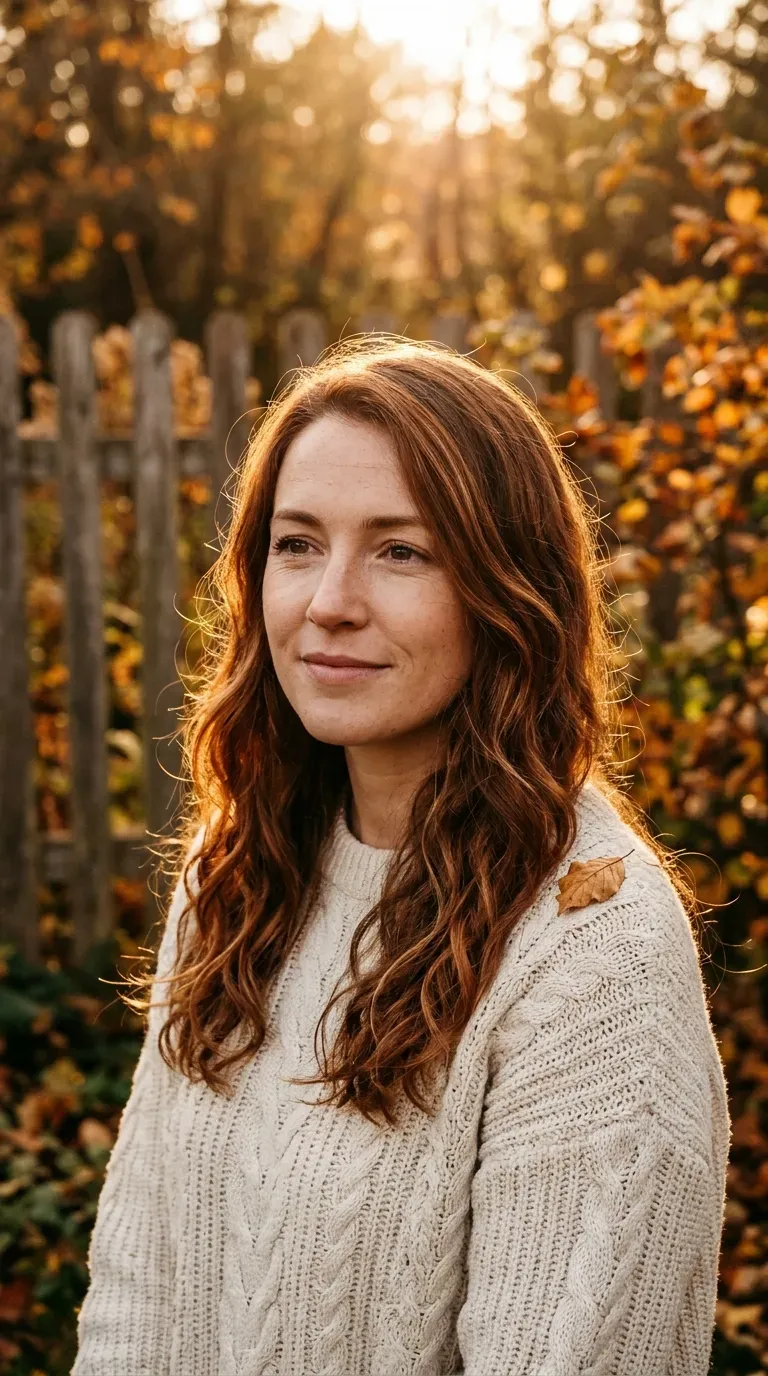
Copper-gold babylights on auburn hair are autumn in a hairstyle, and they are the most underrated look on this list. Auburn already has warmth and depth, so fine copper and gold pieces woven through it do not change the colour so much as turn up its volume. In sunlight the hair glows like embers, and indoors the copper pieces give the auburn a richness that a single flat red can never achieve. If you have natural red or auburn hair and have always been told to avoid highlights, this is the look that proves them wrong.
Ask your stylist for copper-gold pieces that sit within one or two levels of your base, placed through the crown and around the face, with a copper gloss to finish. A colourist who understands red hair will also warn you that red tones fade faster than any other colour, so the gloss and the aftercare matter more here than in any other section.
Pro Tip: wash red and copper hair in the coolest water you can stand, and use a colour-depositing conditioner in copper once a week. It takes five minutes and it is the difference between copper that lasts six weeks and copper that lasts two. The mistake I made was using a hot shower and a clarifying shampoo after a beach holiday, and my copper pieces faded to a dull, mousy brown in a single week. Heat and sun are the enemies of red, so a hat and a UV spray are worth the effort.
Grow-out is 10 to 12 weeks, and the service costs $150 to $240, with a copper gloss refresh at six weeks for about $50. See copper hair colour ideas or how to make red hair colour last longer.
8. Sun-Kissed Babylights on Long Wavy Hair
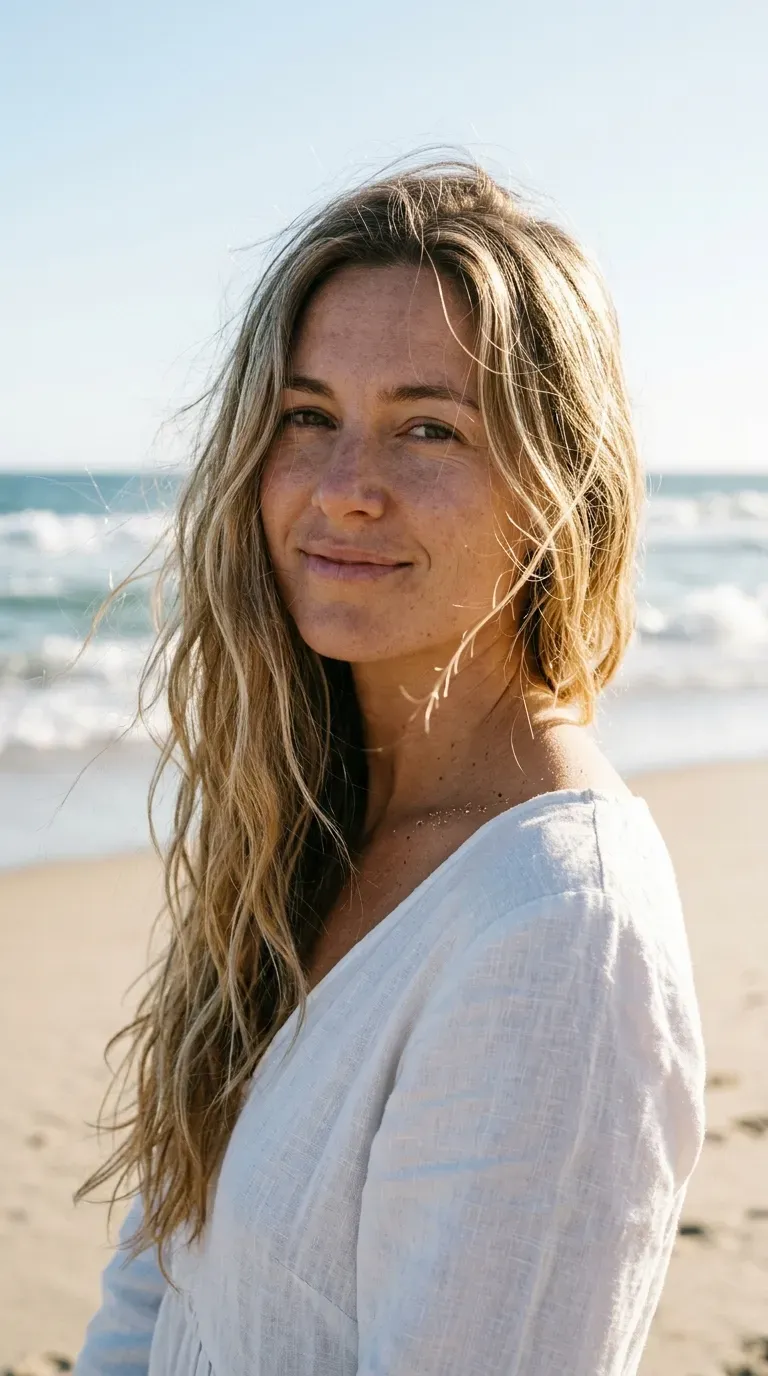
Long wavy hair is where babylights look most like a holiday, because the waves bend the light and the fine pieces catch it at every turn. The sun-kissed version concentrates the lightest pieces through the mid-lengths and ends, with softer pieces at the crown, so the hair looks lighter toward the bottom, exactly as it would after a summer outdoors. It is the least structured look on this list, which is its charm: nothing is symmetrical, nothing is stripey, and the colour moves with the waves instead of sitting in neat rows.
What to ask your stylist for is placement that follows your wave pattern, not a grid. A good colourist will look at how your waves fall, where they bend, and where the light naturally hits, then weave the babylights into the crests of the waves. Ask for a mix of golden and honey pieces, which gives the waves more dimension than a single tone, and for the ends to be the lightest part, which keeps the look sun-kissed rather than rooted.
A mistake I made with long hair was forgetting that length means more maintenance, not less. The ends are the oldest, driest part of the hair, and fine lightened pieces there can turn brittle if you skip conditioning. A weekly hair mask, a leave-in conditioner, and trimming the ends every ten weeks keep the sun-kissed pieces soft instead of straw-like. I skipped masks for a month once and my ends looked frizzy in every photo, which no highlight can fix.
Grow-out is 12 to 14 weeks, and the service costs $180 to $280 for long hair, because there is simply more hair to weave. See long wavy hair colour ideas or beach wave hairstyles for long hair.
9. Hidden Babylights Underneath Dark Brunette Hair
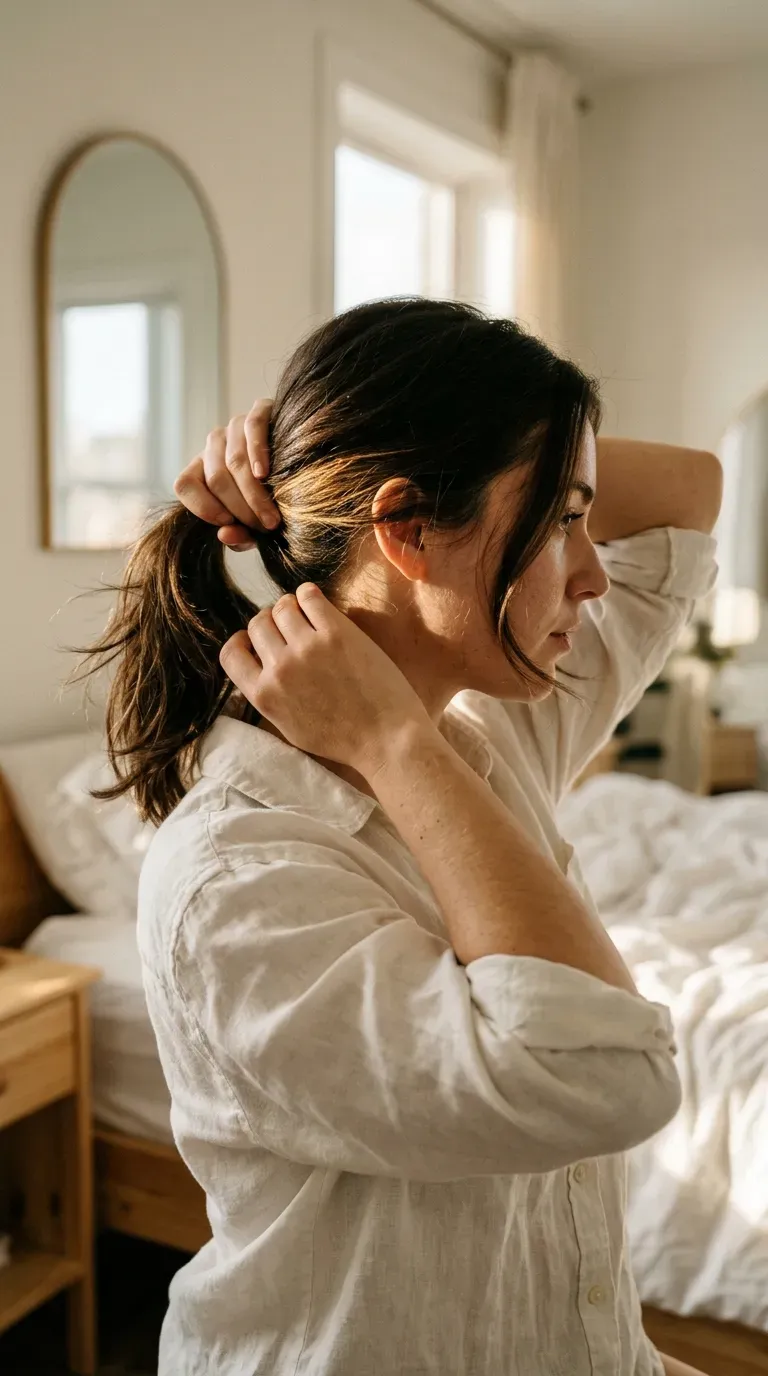
Hidden babylights, woven only into the underneath layers of dark brunette hair, are the secret-keeper of this list, and they are perfect for women who want dimension they can choose to show. With the hair down, you see only a hint of light at the ends and when the hair moves. Put it up in a ponytail or a bun, twist it, or tuck it behind your ear, and the golden pieces flash out like a surprise. It is the ideal choice for a conservative office, for a first colour appointment, or for anyone who loves the idea of highlights but does not want to see them every minute.
Ask your stylist to place the babylights in the nape and the underneath sections, leaving the top layer completely natural. That top layer is what hides the colour, so it needs to be thick enough to cover the pieces when the hair is down, which your colourist will check by parting the hair before they start.
Pro Tip: hidden babylights are the easiest look on this list to grow out, because the top layer covers the regrowth completely, but they are also the easiest to forget to maintain. The underneath hair gets the most friction from collars, scarves, and ponytail holders, so the pieces can fade and tangle faster than the top layer. A silk scrunchie, a leave-in conditioner on the underneath sections, and a gloss refresh at ten weeks keep the hidden colour looking intentional rather than forgotten.
Grow-out is 12 to 16 weeks, often longer, and the service costs $120 to $200 as a partial placement. It also works beautifully under a hat or a scarf in winter, when only a flash of gold shows at the nape. See hidden hair colour ideas or low-maintenance highlights for dark hair.
10. Grey-Blending Babylights

Grey-blending babylights are the kindest way to grow out grey hair, and they have changed how many women feel about going grey. Instead of covering the grey with a solid colour that shows a harsh root line within weeks, the colourist weaves fine, cool babylights through the hair that match your natural grey and silver tones. The grey stops looking like regrowth and starts looking like part of the colour, which means you can stretch appointments, soften the transition, and stop fighting your own hair.
This is a salon-only technique, because matching babylights to natural grey needs a trained eye and a careful toner choice. Ask your stylist for fine weaves in cool silver, soft ash, and a touch of champagne, placed heaviest around the parting and the hairline, where grey shows first.
A mistake I have seen is trying to blend grey with warm, golden babylights, which makes the grey look yellow and the blonde look brassy at the same time. Cool tones are essential here, and so is purple shampoo, used once a week for three minutes, to keep the silver bright instead of dull. The other mistake is expecting one appointment to finish the job. Grey blending is a process, usually two or three appointments spaced eight weeks apart, as the colourist gradually lightens the old colour and lets more of your natural silver show.
Grow-out is 12 to 16 weeks, the longest on this list, and the service costs $180 to $280, with a toner refresh at eight weeks for about $60. Many women tell me it is the first colour appointment that felt like a relief rather than a cover-up. See grey blending hair ideas or how to transition to grey hair gracefully.
11. Babylights on Curly Hair

Babylights on curly hair look completely different from babylights on straight hair, and that is why they deserve their own section. On curls, the fine light pieces do not sit in lines, they sit in ribbons that follow each curl, so the colour looks scattered and natural, like sunlight filtering through leaves. The curls themselves do half the work, because every bend catches the light differently, which means even a small number of babylights creates a lot of dimension. If you have curly hair and have always assumed highlights would look stripey, this is the technique that proves otherwise.
The how-to is specific, and it matters more here than anywhere else. Babylights on curly hair should be placed on dry, styled curls, or at least with the curl pattern visible, because wet curls stretch and the placement shifts when they dry. A curl specialist will weave the pieces into the outer curls, the ones that catch the light, and leave the inner curls darker, which gives the hair depth and stops the colour from looking flat. Ask for golden or honey tones, which warm up the curls, and for a bond builder, because curly hair is naturally drier and more fragile than straight hair.
Pro Tip: do not brush curly babylights out, and do not straighten them just to see the colour. The colour is designed for the curl pattern, and it will look patchy when the hair is straight, which worries many first-timers unnecessarily. The mistake I made was straightening my curly highlights the day after my appointment and panicking that they looked uneven, when they were perfect in their natural state.
Grow-out is 10 to 12 weeks, and the service costs $170 to $270 with a curl specialist. See curly hair highlight ideas or how to care for colour-treated curly hair.
12. Soft Bronde Babylights

Soft bronde babylights are the in-between colour that suits almost everyone, and that is why bronde has stayed popular for years. Bronde is brown and blonde at once, neither dark nor light, and babylights are the perfect way to build it, because the fine weaves blend the two tones so smoothly that you cannot tell where the brown ends and the blonde begins. It is the look to choose if you are a brunette who wants to go lighter without becoming blonde, or a blonde who wants to go darker without losing brightness.
Ask your stylist for a bronde base, which is usually your natural brown lightened by one level, with fine babylights in honey and soft gold woven through the crown and face-framing sections. The toner should be neutral, not too warm and not too cool, because bronde lives in the middle and a toner that pulls too far either way breaks the balance.
A mistake I made with bronde was choosing a reference photo of a blonde woman and expecting the same result on my dark brown hair. Bronde is relative to your base, so on dark brown hair it will look like a soft, light brown with golden dimension, not like blonde hair at all. Bring a photo of someone with a similar starting colour to yours, and ask your stylist to be honest about how light your hair will go in one appointment. Patience is part of bronde, and the second appointment is often when it truly clicks.
Grow-out is 12 to 14 weeks, and the service costs $160 to $250. A gloss refresh at eight weeks keeps the blend soft for about $50. See bronde hair colour ideas or brown to blonde transition hair ideas.
13. Babylights on a Short Bob

Babylights on a short bob are proof that you do not need long hair to wear dimension, and in many ways a bob shows them off better. On a short cut, the fine light pieces are closer to your face, so they brighten your complexion immediately, and the clean lines of the bob make the colour look sharp and intentional rather than scattered. It is a chic, low-maintenance combination, because the bob is easy to style and the babylights are easy to grow out, which is a rare pairing in hair colour.
The placement is different on a bob, and your stylist should know that. The pieces need to be concentrated around the face, the parting, and the very ends, because those are the areas you actually see on short hair. Pieces buried in the crown disappear under the top layer, so a good colourist will weave more finely and more densely near the surface, and will check the placement with the bob styled as you wear it, not flat and wet.
Pro Tip: a bob grows out fast, so book your trim and your colour refresh together, usually every ten weeks. If you trim the bob without refreshing the colour, you can cut off the lightest ends and lose the sun-kissed effect, and if you colour without trimming, the shape goes flat. I once trimmed my bob two weeks after my babylights appointment and was surprised how much lighter hair I lost, so now I always book the two appointments on the same day.
Grow-out is 10 to 12 weeks, and the service costs $130 to $220 for short hair, which is less than long hair because there is less to weave. See short bob hair colour ideas or how to style a bob with highlights.
14. Golden Babylights on the Ends of Dark Brown Hair
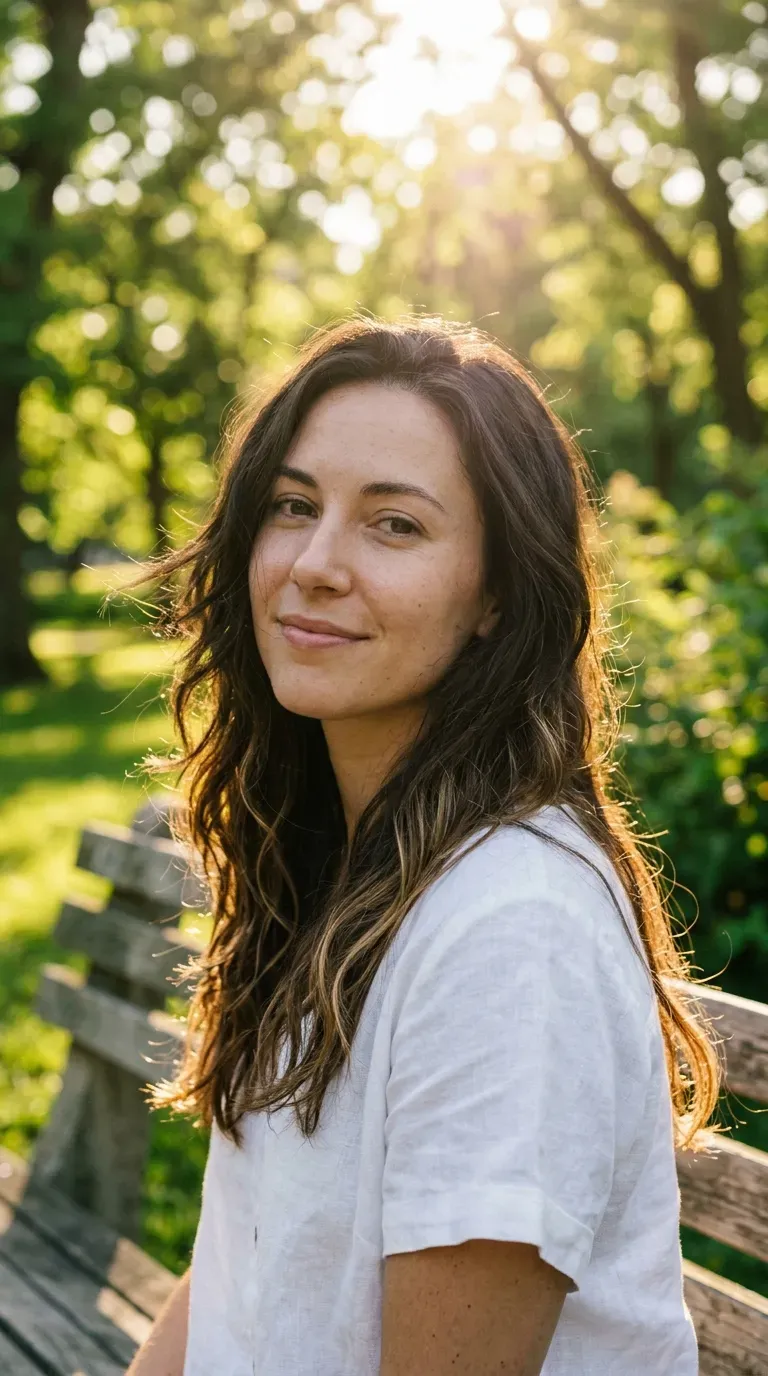
Golden babylights on the ends of dark brown hair are the gentlest way to lighten long, dark hair, because the roots stay completely natural and the light only appears where the sun would naturally bleach it. It is a cousin of the ombre, but softer and finer, with no hard line where the dark stops and the light begins. The fine weaves blend the transition so gradually that the ends look sun-bleached rather than dyed, which is exactly the effect most women want from an ends-only colour.
Ask your stylist for fine babylights starting from the mid-lengths and getting denser toward the ends, with a golden toner that warms the brown without turning it orange. The top half of the hair should stay untouched, which is what makes the grow-out so forgiving: there is no root line at all, because the roots were never coloured.
A mistake I made was treating the ends like the rest of my hair, with the same shampoo, the same hot tools, and no extra conditioning. The golden ends faded and dried out faster than the dark roots, and the contrast started to look dull instead of sun-kissed. Now I use a hair mask on the ends once a week, a leave-in oil on the tips, and I turn the straightener down a notch when I reach the lightened sections. Those three small habits keep the gold glowing for months.
Grow-out is the longest on this list, 14 to 16 weeks, because there is no root to grow out, and the service costs $140 to $230. The soft transition also means you can wear your hair up or down without a visible line. See balayage for dark brown hair or how to keep hair ends healthy after colour.
15. Babylights for Fine, Thin Hair
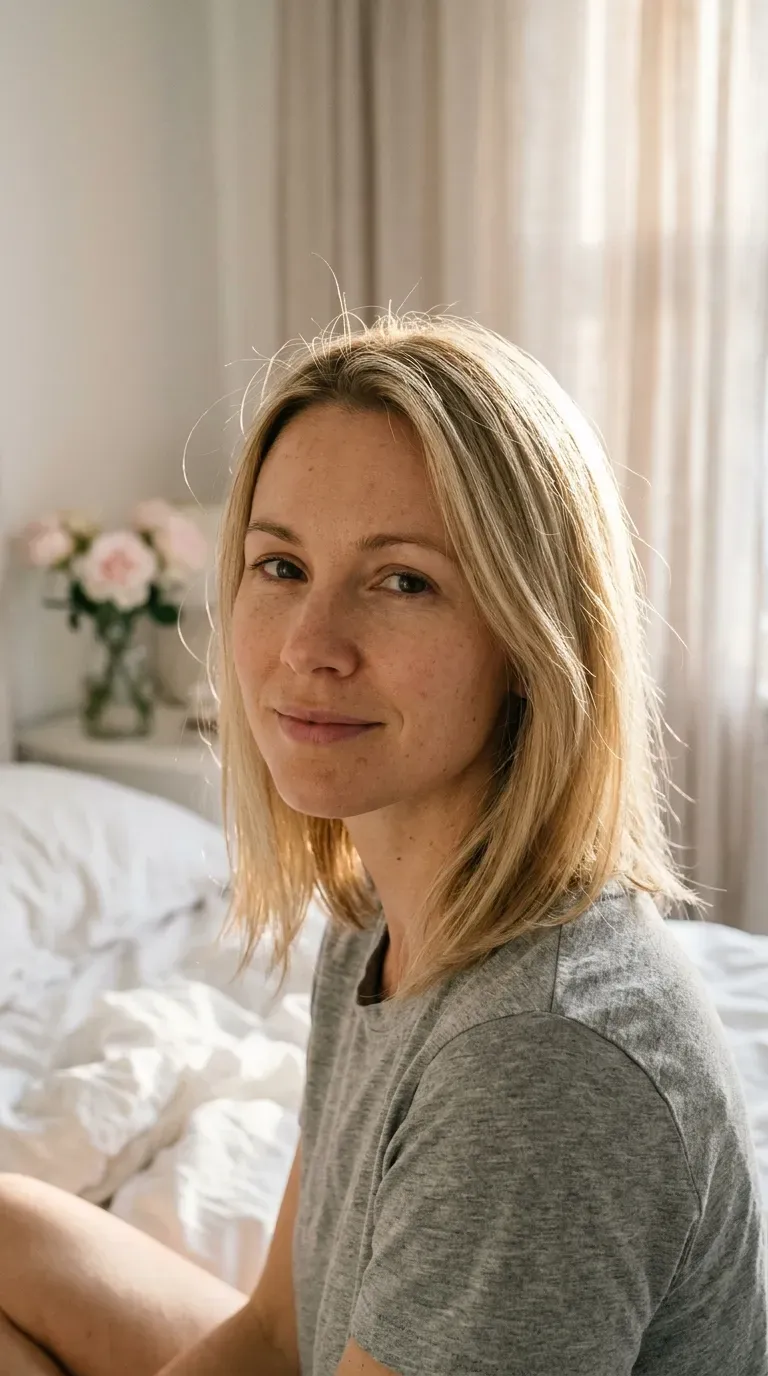
Babylights for fine, thin hair are the most transformative look on this list, because they solve a problem that thick hair never has: how to make fine hair look fuller. The fine, light pieces create the illusion of texture and depth, so the hair looks thicker than it is, especially in a ponytail or a braid, where the light and dark pieces twist together. It is a visual trick, but it is a very good one, and it works without teasing, without extensions, and without changing your cut.
This is a salon-only look, and the colourist matters more than the shade. Fine hair is fragile, so the lift must be gentle, with a low developer, a bond builder, and very fine weaves that do not overload any one section. Ask for the lightest pieces through the crown and the parting, where fullness matters most, and for a toner that matches your skin tone, golden for warmth or champagne for coolness.
Pro Tip: the way you style fine babylights matters as much as the colour. A root-lifting spray, a rough dry with your head upside down, and a soft wave with a large-barrel curling iron will show off the dimension far better than flat-ironing the hair straight, which presses the light and dark pieces together and hides the effect. I flat-ironed my fine babylights for a month before a stylist showed me the difference a little texture makes, and I have never gone back.
Grow-out is 10 to 12 weeks, and the service costs $150 to $240. A volumising shampoo and a light, not heavy, conditioner keep the fine pieces from being weighed down. See hairstyles for fine thin hair or how to make thin hair look thicker.
Getting Started With Babylights
The easiest first step is to pick one finish, not one placement. Golden, honey, caramel, champagne, and ashy behave differently on your base colour and your skin tone, so start by deciding whether you want warmth or coolness, and let the placement follow from that. A cool champagne or ashy finish is beautiful too, but it needs more upkeep and a toner refresh, so save it for when you know you love the technique.
The most common beginner mistake is bringing a photo of a different starting colour and expecting the same result. Babylights are relative to your base, so the same golden pieces will look blonde on light brown hair and like a soft caramel on black hair. Bring a photo of someone with a similar base to yours, tell your stylist how often you are willing to come back, and be honest about your budget, because a good colourist can adjust the density and the placement to fit both. The second mistake is skipping the consultation, which is usually free and takes fifteen minutes, and which is where your stylist checks your hair history, your previous colour, and whether your hair can lift safely.
What to buy first: a colour-safe, sulphate-free shampoo, a purple shampoo if your babylights are blonde or ashy, a weekly hair mask, and a heat protectant. That is about $40 to $60 in total and it protects a $150 to $250 appointment, which makes it the best value in this whole guide. If you would rather book a salon, bring your reference photos, ask for a colourist who does fine weaving regularly, and ask to see the result in natural light before you leave. For timeline, a full babylights appointment takes two and a half to four hours, and the colour lasts 10 to 16 weeks depending on the look, with a toner or gloss refresh in between.
Frequently Asked Questions
What are babylights, and how are they different from regular highlights?
Babylights are very fine highlights woven through the hair in tiny sections, usually only a few hairs wide, to mimic the natural highlights children get from the sun. Regular highlights use thicker sections and create more contrast, while babylights blend softly into the base colour and grow out more gracefully.
How long do babylights last?
Babylights last 10 to 16 weeks depending on the look, with brighter blondes needing a refresh sooner, at 8 to 10 weeks, and darker brunette or grey-blending looks lasting 12 to 16 weeks. A toner or gloss refresh at six to eight weeks keeps the tone fresh without a full highlight appointment.
How much do babylights cost at a salon?
A full babylights service usually costs $120 to $280 depending on your hair length, thickness, and location, with short hair at the lower end and long, thick hair at the higher end. A partial service, like face-framing pieces only, costs $100 to $180, and a toner refresh costs about $40 to $80.
Are babylights good for dark hair?
Yes, babylights are excellent for dark hair, and the caramel, honey, and face-framing looks in this guide are designed for brunette and black hair. The key is keeping the pieces fine and within two shades of your base at first, so the result looks sun-kissed rather than striped.
Can babylights damage your hair?
Any lightening can cause some dryness, but babylights are gentler than a full bleach because only fine sections are lightened and the rest of the hair is untouched. A bond builder during the appointment and good aftercare with a weekly mask and heat protectant keep the damage minimal.
A Few Final Thoughts
The best babylights ideas do not shout, and they do not need to. Across these 15 looks, the pattern is simple: fine pieces, a tone that suits your skin, and placement that follows how your hair actually falls will always look more expensive than thick, obvious highlights. Whether you choose a classic golden on dark blonde, a hidden flash underneath brunette hair, or a grey-blending silver, your hair will look like it lightened in the sun. Pick one of the 15, save your reference photos, book a consultation this week, and enjoy the softest highlights you have ever worn.